
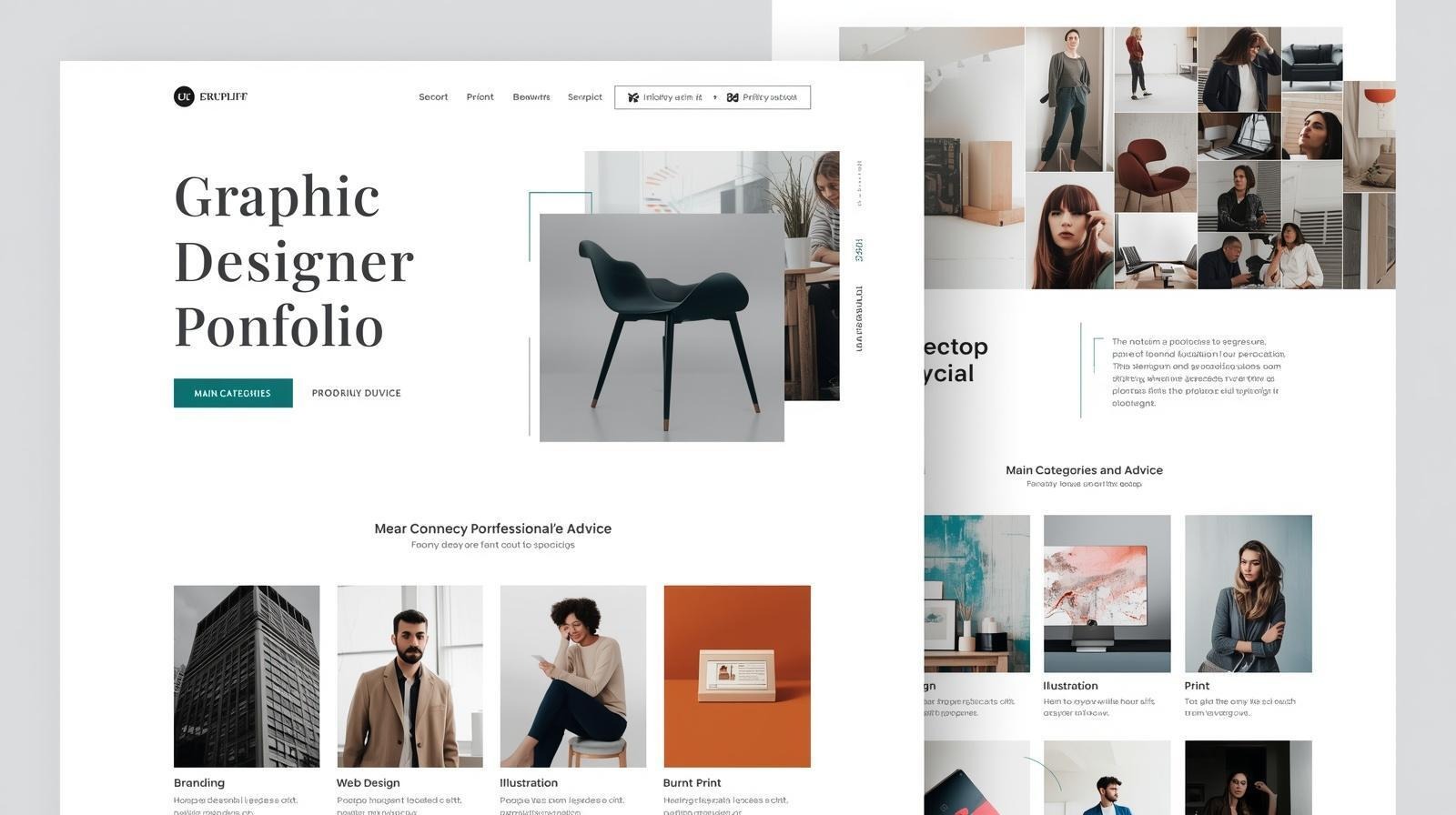
A graphic designer’s portfolio is not simply a collection of work. It’s your visual identity. It’s speaking for you before you even have a chance to speak for yourself.
Perhaps you are just starting, or already working and have clients. A well-thought-out portfolio can make all the difference in how your skills are viewed.
A good portfolio, as I am sure you know, is not necessarily a collection of everything you have ever designed. It’s a collection of the right work, designed in the right way. Let’s look at the different types of work that should be included.
Why Your Portfolio Matters More Than Your Resume
Results are more important than qualifications in the world of design. In other words, your clients and employers are not really interested in what you studied. They are interested in how you think, how you approach problems, and how you turn your ideas into images.
Your portfolio establishes trust right away. It reveals your design aesthetic, consistency, and ability to work on real projects. A good portfolio can sometimes trump experience if it is well-presented and effectively communicates your value.
Main Categories to Include In Your Portfolio
Structuring your portfolio into clear sections makes it easier to navigate and more professional. It also helps viewers quickly find what they are looking for.
Pro tip: Most CV writers in UAE offer portfolio design services. Consider hiring the one who suits you best.
- Social Media and Digital Graphics
Digital content is everywhere. Businesses always need new visual content for digital presence. Showing your ability to design social media assets in your portfolio indicates that you are familiar with the latest trends and audience engagement strategies.
This section can be dedicated to your Instagram designs, such as posts, ads, banners, and thumbnails. You should be careful to make your designs modern and appropriate.
- UI/UX Design
If you have experience in digital product design, this category can significantly strengthen your portfolio. UI/UX design experience demonstrates your ability to design with both form and function in mind.
Add website layouts, mobile app screens, or prototypes. It is important to explain your thought process in this section. Show how your design decisions improve the user experience and solve specific problems.
- Packaging Design
Packaging design is where creativity and marketing strategy come together. It is not only about making it look good, but also making it look different and unique on the shelf, and making it communicate the brand’s message effectively.
Display your product packaging design concepts and mockups that make your design come to life and describe how your design captures attention and represents the brand’s image.
- Illustrations and Custom Artwork
This section is also where you can express your artistic side and add personality to your portfolio. Although illustrating is not your main skill, it can make your work more unique.
You can include digital illustrations, icons, or hand-drawn elements. These can help set you apart from other designers and show your creative side.
- Motion Graphics
Motion graphics are not necessarily needed, but they could definitely give you a huge edge in competition. Animated content always seems dynamic and interesting, especially in the digital world.
You could include animated logos, videos, or even animations on social media. Simple motion graphics could make your portfolio look more modern.
How to Present Your Work Effectively
Each project should have a story to tell. This is where you explain the problem, the solution, and the end results. You can also use mockups to make your presentation more impactful. This is because mockups make it easier for people to imagine how your designs would look in real-life scenarios, making them more realistic and impactful.
However, to make sure your design is simple and uncluttered, hire a professional portfolio presentation service in Dubai. This is because simplicity makes your work the main focus and makes it easier for people to navigate through your portfolio.
Tips To Make Your Portfolio Stand Out
To make your portfolio memorable, be authentic. Let your personality shine through in your portfolio. Your personal introduction can be very effective in creating a connection with the viewer.
Demonstrating your design process can be another way to make your portfolio stand out. This will show that you are not just designing visually appealing things, but solving problems. Showing your real client work can also add credibility and trust to your portfolio.
Small details, like consistent formatting and thoughtful descriptions, can elevate the overall experience and leave a lasting impression.
Frequently Asked Questions
- How many projects should a graphic design portfolio contain?
A good number of projects for a portfolio would be around 8-12. The number of projects will not overwhelm the viewer and will give them a proper insight into your skills as a graphic designer.
- Can a beginner create a quality portfolio without any clients?
A beginner can absolutely create a quality portfolio without any clients. A beginner can create passion projects, redesign existing brands, or even create fictional projects to showcase their creativity.
- How often should I update my portfolio?
Your portfolio should be updated every few months or whenever you complete a high-quality project. The most important reason to update your portfolio regularly is that it will always be a true reflection of your skills as a graphic designer.
Wrapping It Up
Your graphic design portfolio is your strongest tool. It is not just your collection of previous work, but also your potential. If your portfolio is well-designed and effectively used, it could be your key to new opportunities.
The key elements in your portfolio are clarity, creativity, and storytelling. Your portfolio is the selection of your best work, your intention behind showing it, and your ongoing development. A good portfolio is not just about showcasing your talents, but also communicating them effectively.