
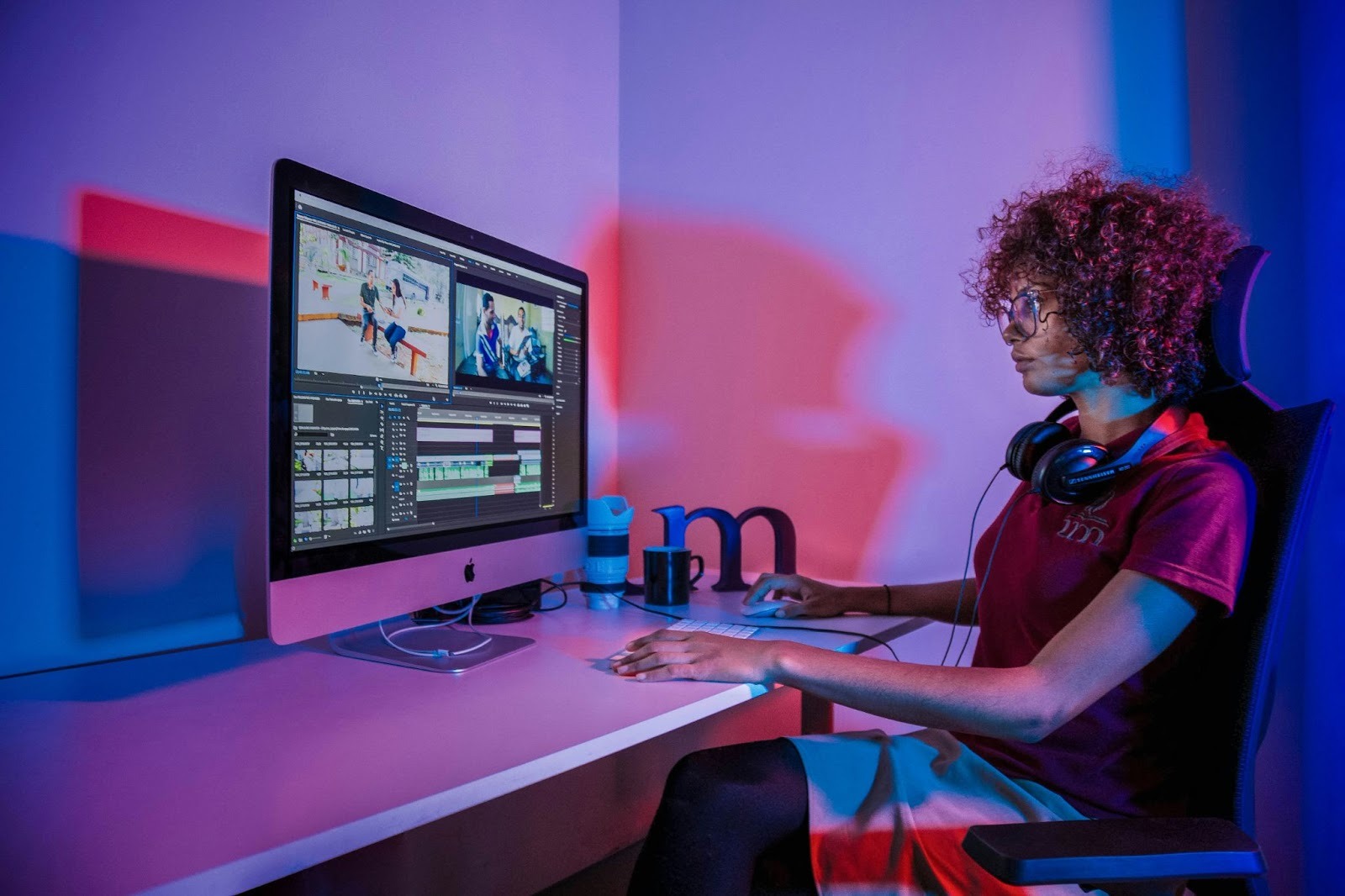
Marketing teams in the U.S. are under pressure. Budgets feel tighter, attention spans feel shorter, and everyone—from the CMO to the intern scheduling posts—wants proof that the work actually pays off. ROI isn’t just a metric anymore; it’s the conversation. And honestly, that’s where motion graphics quietly start pulling their weight.
People scroll fast. You know it. I know it. A wall of text rarely stops anyone mid-scroll, but a well-timed animation? That has a fighting chance. Motion graphics don’t shout; they nudge. They guide the eye, simplify ideas, and do it without demanding too much mental effort. That’s the first win.
Here’s the thing: motion graphics video production sits right at the sweet spot between creativity and efficiency. It doesn’t rely on actors, locations, or perfect lighting days. Instead, it leans on smart visuals, pacing, and story logic. Brands use it to explain products, show value, and answer questions customers didn’t even realize they had yet. That clarity translates directly into better engagement—and better engagement usually shows up later as revenue.
Attention Is Currency (And Motion Buys More of It)
Digital marketing is really just attention economics wearing a hoodie. You’re competing with news alerts, group chats, memes, and a dozen open tabs. Motion graphics help because movement triggers the brain faster than static visuals. A chart that fades in step by step feels easier than one dumped on a screen all at once.
And no, it’s not about flashy effects. In fact, simpler often works better. Clean transitions, readable text, and visuals that match the message. When viewers understand faster, they stay longer. When they stay longer, conversion rates usually creep up. It’s not magic—it’s human behavior.
Explaining Hard Things Without the Headache
Some products are just… complicated. SaaS platforms. Financial tools. Healthcare services. You could write a thousand words explaining how something works, or you could show it in 60 seconds with animated flows, icons, and a calm voiceover.
That’s where ROI sneaks in. Fewer support tickets. Shorter sales calls. Better-qualified leads. Motion graphics don’t just attract attention; they reduce friction. And friction is expensive.
One Asset, Many Channels (This Matters More Than It Sounds)
A single motion graphic video can live a long, busy life. The full version sits on a landing page. Shortcuts run as paid ads on Meta or YouTube. A looped segment ends up in an email header. Another snippet plays silently on LinkedIn.
Suddenly, one piece of content supports multiple campaigns. That kind of reuse stretches budgets in a very real way. It’s not glamorous, but marketing teams love it because it works.
“Isn’t Video Expensive?” Yes—and Also No
Let’s be honest for a second. Video sounds expensive. And sometimes it is. But motion graphics often cost less over time than live-action shoots. No reshoots because someone flubbed a line. No outdated visuals when branding changes—you just tweak the files.
Here’s the mild contradiction: motion graphics can take time upfront. Planning matters. Scripts matter. Storyboards matter. But once it’s built, updates are faster and cheaper. That long-term flexibility is where ROI starts to feel very real.
Brand Memory Is a Quiet Superpower
People might not remember your tagline word for word, but they’ll remember how your brand felt. Motion graphics help shape that feeling. The rhythm, the color palette, the way elements move—it all adds personality.
Over time, that consistency builds trust. And trust shortens buying cycles. Customers feel like they “get” you already. That’s not something you can always measure cleanly, but marketers see it in improved click-through rates and warmer leads.
Tools Marketers Actually Use (No Fantasy Setups)
Teams across the U.S. rely on tools like After Effects, Figma, Premiere Pro, and even Lottie animations for web use. Motion graphics plug neatly into modern workflows. They load fast, scale well on mobile, and don’t break websites when done right.
This matters because performance affects ROI too. A beautiful video that slows a page is a problem. Motion graphics, when optimized, usually play nicer with UX and SEO goals.
Measuring ROI Without Losing Your Mind
You don’t need a spreadsheet masterpiece. Start simple:
- Higher time on page
- Better ad completion rates
- Increased demo requests or sign-ups
- Lower bounce rates on key pages
If motion graphics help move even one of those numbers, they’re doing their job. Often, they move several.
So, Why Does It All Add Up?
Because motion graphics respect the viewer’s time. They explain without lecturing. They attract without overwhelming. And they scale without constant reinvestment.
Marketing ROI doesn’t always come from doing more. Sometimes it comes from saying things better—and showing them smarter. Motion graphics do exactly that. And once brands see the numbers, they usually don’t go back.