
In an era where the fashion industry is under increasing pressure to reduce its environmental impact, small fashion weeks are emerging as powerful drivers of sustainable change. While major global fashion capitals dominate headlines, regional events are proving that innovation, creativity, and responsible fashion can thrive on a smaller scale.
From supporting local designers to reducing waste and encouraging conscious consumption, small fashion weeks are reshaping the future of the industry. Events such as Ruse Fashion Week demonstrate how local fashion communities can celebrate design while promoting sustainability and ethical production.
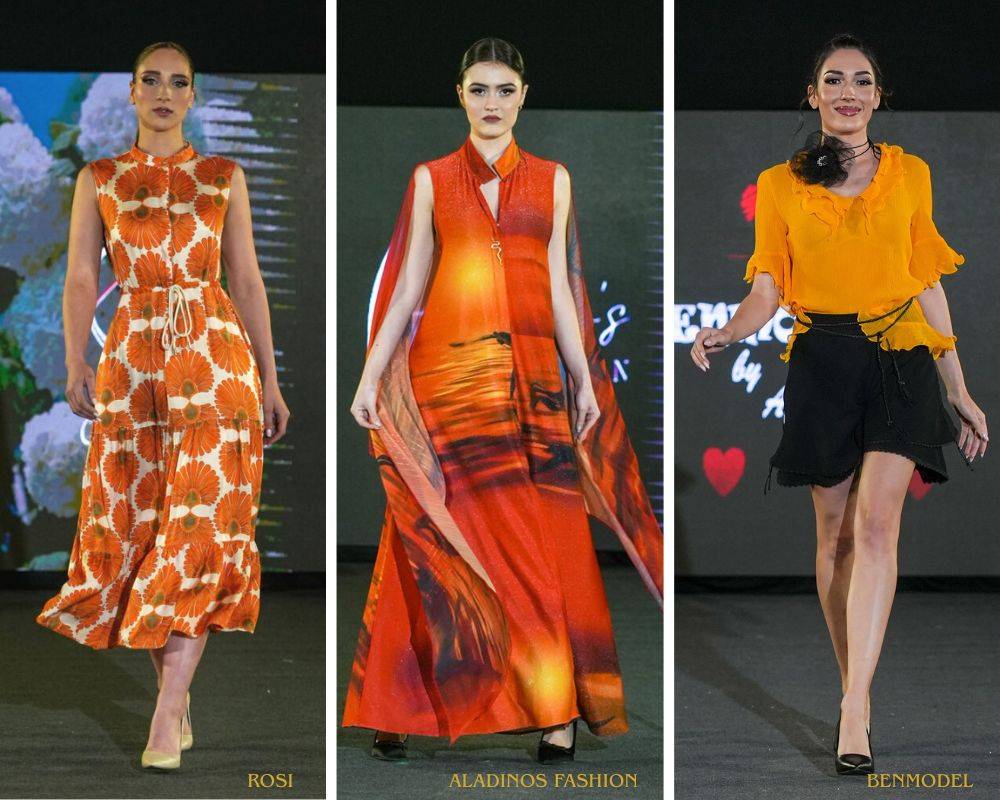
Photo: Ruse Fashion Week
Why Sustainability Matters in Fashion
The fashion industry is one of the world’s largest contributors to pollution, with challenges including:
- Overproduction of clothing
- Textile waste ending up in landfills
- High water and energy consumption
- Carbon emissions from global supply chains
- Unsustainable fast fashion practices
Consumers are increasingly looking for brands that value transparency, ethical production, and environmental responsibility. Small fashion weeks provide an ideal platform to showcase these values.
Supporting Local Designers Reduces Environmental Impact
One of the biggest advantages of small fashion weeks is their focus on local talent.
Unlike international fashion events that often involve shipping collections across continents, regional fashion weeks primarily feature designers working within their own countries or neighboring regions. This significantly reduces transportation emissions while strengthening local creative economies.
By promoting locally made garments, these events encourage shorter supply chains, responsible sourcing, and handcrafted production methods that often have a lower environmental footprint.
Smaller Events Mean Less Waste
Large-scale fashion weeks can generate enormous amounts of waste through elaborate runway sets, promotional materials, temporary installations, and single-use decorations.
A small fashion week typically operates with:
- Simpler runway productions
- Reusable event infrastructure
- Digital invitations instead of printed materials
- More efficient venue management
- Reduced energy consumption
These practical choices help minimize waste while still delivering memorable experiences for designers, media, and attendees.
Encouraging Slow Fashion Instead of Fast Fashion
Small fashion weeks often celebrate craftsmanship rather than mass production.
Designers presenting at regional events frequently produce:
- Limited collections
- Made-to-order garments
- Handmade accessories
- Timeless designs intended to last for years
This philosophy aligns closely with the principles of slow fashion, encouraging consumers to invest in quality pieces rather than constantly replacing inexpensive clothing.
Building Strong Local Fashion Communities
Sustainability is not only about materials—but it’s also about creating resilient creative ecosystems.
Events like Ruse Fashion Week bring together designers, students, photographers, stylists, manufacturers, models, and fashion enthusiasts within one collaborative environment. These connections help strengthen regional fashion industries while creating opportunities for education, mentorship, and innovation.
By supporting emerging designers, local fashion weeks reduce barriers to entry and encourage sustainable business growth from the beginning of a designer’s career.
Promoting Ethical Fashion Brands
Many independent designers featured at smaller fashion weeks prioritize ethical manufacturing because they oversee production more closely than large multinational brands.
Their collections often include:
- Organic fabrics
- Recycled textiles
- Deadstock materials
- Natural fibers
- Ethical labor practices
- Small-batch production
Fashion weeks that spotlight these designers help educate consumers about responsible purchasing decisions.
Ruse Fashion Week: A Regional Platform with Sustainable Potential
Ruse Fashion Week showcases how regional fashion events can contribute to a more sustainable future for the industry. By providing a platform for emerging and established designers, the event helps promote local creativity while encouraging greater appreciation for quality craftsmanship and independent fashion. At the same time, it strengthens the global fashion network by connecting regional talent with international audiences, industry professionals, and new collaboration opportunities.
Regional fashion weeks create opportunities for designers to present collections without the significant environmental footprint associated with large international productions. They also encourage audiences to discover local brands, fostering stronger connections between creators and consumers.
As interest in sustainable fashion continues to grow, events like Ruse Fashion Week can play an increasingly important role in highlighting responsible design practices, supporting a fashion ecosystem that values creativity, longevity, and conscious production, and expanding the global fashion network through meaningful cross-border partnerships.
Educating Consumers About Sustainable Choices
Fashion weeks are more than runway shows—they are educational platforms.
Smaller events can host:
- Sustainability panels
- Designer talks
- Upcycling workshops
- Circular fashion discussions
- Textile innovation showcases
These initiatives help consumers understand how their purchasing decisions affect the environment and inspire more thoughtful shopping habits.
The Future of Sustainable Fashion Starts Locally
As the global fashion industry continues to evolve, the importance of regional fashion events will only increase. Small fashion weeks prove that meaningful change does not require massive budgets or international attention.
Instead, they demonstrate that supporting local designers, embracing ethical production, reducing waste, and fostering community collaboration can create lasting positive impact.
Whether through innovative collections, responsible production methods, or stronger connections between designers and consumers, events such as Ruse Fashion Week highlight how local fashion can contribute to a more sustainable global industry.
Small fashion weeks are redefining what success looks like in the fashion world. Rather than focusing solely on spectacle, they prioritize creativity, authenticity, and sustainability. By empowering local designers, reducing environmental impact, and encouraging conscious consumer behavior, these events represent an important step toward a more responsible fashion industry.
As awareness of sustainable fashion grows, regional showcases like Ruse Fashion Week will continue to demonstrate that the future of fashion is not only stylish—it is local, ethical, and environmentally conscious.