
Key Takeaways
- Start with real driving habits, not a vehicle category or trend.
- Compare the complete cost of ownership, including fuel, insurance, maintenance, taxes, and financing.
- Match the passenger room and cargo space to the items you actually carry.
- Choose a gas, hybrid, plug-in hybrid, or electric powertrain based on your driving and charging routine.
- Review safety information and practical features before focusing on styling.
- Use a thorough test drive to evaluate comfort, visibility, technology, and parking.
Choosing a vehicle is easier when you start with your actual routine rather than a trend, a body style, or a single feature. The right fit should make weekday driving comfortable, keep ownership costs manageable, and still have enough flexibility for errands, passengers, and the occasional trip. If you are beginning your search locally, you can learn more about available options while keeping your personal needs at the center of the decision.
A vehicle does not need to be the biggest, fastest, or most expensive choice to be useful. It needs to work reliably for the miles you drive, the people and gear you carry, the parking spaces you use, and the financial priorities you have over the next several years.
Start With The Weekly Routine
Before comparing models, write down one normal week of driving. Include commute miles, city versus highway time, parking conditions, passenger trips, grocery runs, and weekend plans. A long solo commute may favor efficiency and supportive seats, while regular carpools or youth sports can make rear-seat access and cargo flexibility more important.
Think about exceptions, too. A driver who travels alone most days but carries camping gear twice a month may benefit from a hatchback or compact SUV. On the other hand, a household that rarely uses a third row may not need to accept the cost and size of a large SUV.
Set A Realistic Vehicle Budget
The monthly payment matters, but it is only one part of the ownership picture. Down payment, interest charges, insurance, fuel or electricity, registration, depreciation, maintenance, tires, and repairs can all affect what a vehicle truly costs. AAA estimates that the average annual cost of driving a new vehicle 15,000 miles is $11,577 in 2026, which is a useful reminder to look beyond the sticker price.
Set a payment limit that leaves room for routine expenses and savings. Request insurance quotes for the exact vehicles you are considering, compare loan offers based on total interest paid, and avoid extending a loan solely to make a vehicle appear affordable. For used vehicles, reserve funds for an inspection, initial service, and unexpected repairs.
Compare Vehicle Types By Use
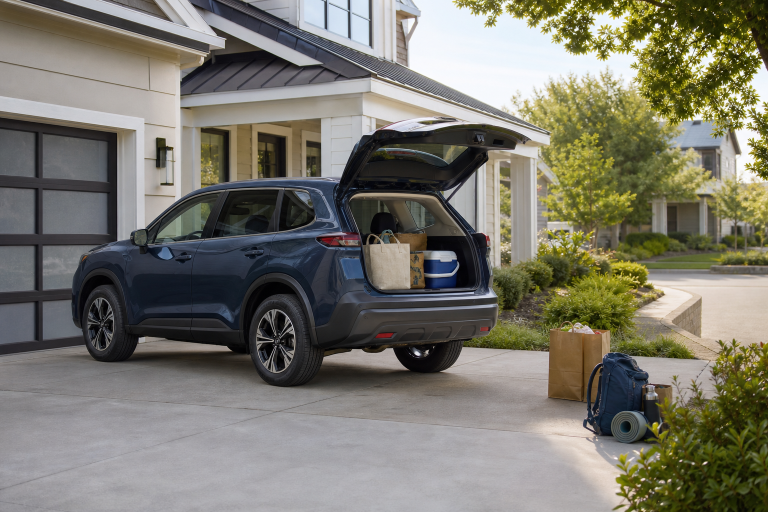
Every vehicle type involves trade-offs. A small sedan can be economical and easy to park, but it may offer limited cargo height. A hatchback adds flexible storage while maintaining a compact footprint. A compact SUV often suits mixed commuting, light family use, and weekend equipment, although it can cost more than a similarly equipped sedan.
Midsize SUVs and minivans can make sense for frequent passenger trips, road travel, or larger loads. Pickup trucks are most practical when hauling, towing, tools, or outdoor equipment are regular needs rather than occasional ones. Choose the smallest category that comfortably handles your routine, because larger vehicles can bring higher fuel, tire, insurance, and parking costs.
Choose The Right Powertrain
Gas vehicles offer familiar refueling and broad trip flexibility. Hybrids can reduce fuel use without requiring a charging routine. Plug-in hybrids work best when you can charge regularly for local driving but still want gasoline backup for longer trips. Electric vehicles can be a strong match for predictable routes and dependable home, workplace, or public charging access.
Use a simple break-even calculation before paying extra for a powertrain. Subtract the estimated monthly fuel or charging cost of one option from another, then divide the price difference by those monthly savings. Your result is only an estimate, but it helps indicate whether the higher upfront price aligns with your expected ownership timeline.
Match Passenger And Cargo Space
Published cargo volume is helpful, but real objects tell a clearer story. Bring a child seat, stroller, work case, sports bag, or other regularly carried item when you shop. Check rear-seat legroom, door openings, step-in height, cargo lift-over height, and whether the rear seats fold flat or split for longer items.
A vehicle can have enough seats on paper while still struggling with a stroller, groceries, and weekend bags at the same time. Cargo shape, access, and usable floor space often matter more than a single volume number.
Review Safety Before Styling
Review independent crash-test results before making a final choice, and compare vehicles of similar size when possible. The government’s 5-Star Safety Ratings program can help shoppers examine crash performance and available crash-avoidance testing for 2026 model-year vehicles.
Also, test the features you will use every day. Check visibility over the hood and around rear corners, headlight performance, parking cameras, blind-spot alerts, automatic emergency braking, and the placement of driver-assistance controls. Technology is most valuable when it is clear, predictable, and easy to use without distraction.
Use A Smarter Test Drive
A short loop around the block rarely answers the important questions. Adjust the seat and steering wheel, connect your phone, and make sure essential controls are easy to reach. Drive in stop-and-go traffic, merge onto a faster road, park in a tighter space, and listen for road noise at speed.
Pay attention to braking feel, ride comfort, visibility, turning radius, rear-seat access, and cargo opening height. If possible, take a longer drive that resembles your commute. Discomfort and confusing controls are more noticeable after 30 minutes than after five.
Avoid Common Buying Mistakes
- Choosing an extra size for needs that occur only once or twice a year.
- Focusing only on the lowest monthly payment and accepting a long loan term.
- Waiting until paperwork day to check insurance costs.
- Assuming fuel-economy estimates will match every route, season, and driving style.
- Skipping a pre-purchase inspection for a used vehicle.
- Ignoring tire prices, maintenance intervals, and trade-in equity.
Use A Final Decision Checklist
- Does it fit your commute, parking situation, and usual passenger count?
- Can it carry the items you actually use on weekends?
- Have you estimated insurance, fuel, charging, and maintenance costs?
- Does the powertrain match your refueling or charging access?
- Have you checked safety information and completed a realistic test drive?
- Will the vehicle still fit if your household routine changes?
Conclusion
The best vehicle is the one that supports daily life without straining your budget. By comparing total costs, real-space needs, powertrain options, safety information, and test-drive impressions, you can choose with more confidence. Focus on what you will use every week, then select the vehicle that handles those needs comfortably for years to come.