
Ever wondered what makes a house truly feel like home in a bustling cityscape? Are you dreaming of clean lines, open spaces, and a design that works with your lifestyle rather than against it? Perhaps you’re asking yourself whether modern house designs can really deliver everything you need within a compact urban block?
You’re not alone. Thousands of Melburnians are navigating the exciting yet overwhelming process of choosing the right modern home design. The good news? With the right knowledge, you can make confident decisions that’ll serve you brilliantly for years to come.
In this guide, we’ll walk you through everything from understanding what defines modern design to budgeting, builder selection, and council regulations. By the end, you’ll have a clear roadmap from initial vision to moving-in day. Let’s get stuck into it.
What Defines Modern House Designs?
Key Characteristics Of Contemporary Urban Homes
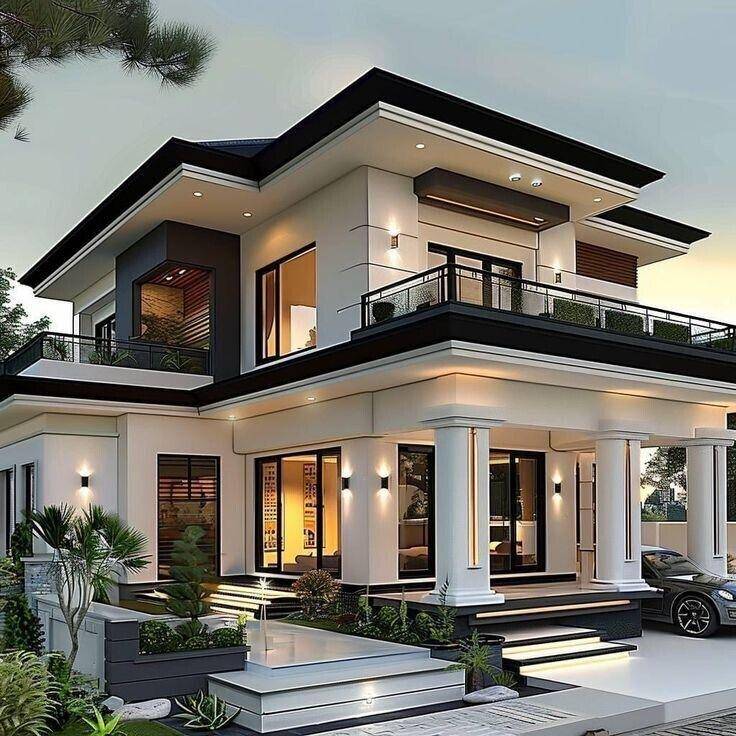
Modern house designs typically share several distinctive features. Think clean geometric lines, open-plan living areas, and a strong connection between indoor and outdoor spaces. Floor-to-ceiling windows are practically a given, flooding interiors with natural light.
Materials play a starring role too. You’ll often see combinations of concrete, steel, glass, and timber working together. The colour palette tends toward neutral tones—whites, greys, and blacks—with occasional bold accents. Flat or skillion roofs have largely replaced traditional pitched designs.
Functionality sits at the heart of everything. Modern homes aren’t just about looking sharp; they’re designed to make daily life easier and more enjoyable.
Understanding Your Urban Living Needs
Assessing Your Space Requirements For City Living
Before falling in love with any particular design, take an honest look at how you actually live. How many bedrooms do you genuinely need versus simply want? Do you work from home regularly? Will you entertain frequently?
Urban blocks are getting smaller, which means every room needs to earn its place. Multi-purpose spaces have become increasingly popular—think home offices that double as guest rooms, or laundries cleverly tucked into bathroom designs.
Balancing Indoor And Outdoor Living In Smaller Footprints
Just because you’re on a compact block doesn’t mean sacrificing outdoor living. Clever design can create the illusion of much larger spaces through:
– Seamless indoor-outdoor flow using consistent flooring materials
– Vertical gardens and green walls
– Strategically placed courtyards that bring light deep into floor plans
– Rooftop entertaining areas
Future-Proofing Your Home: Growing Families And Changing Needs
Your life will change. Kids might arrive. Parents might need to move in. You might start a business. The best modern designs anticipate these shifts with flexible layouts that can adapt over time. Consider whether bedrooms can be reconfigured, whether there’s potential for a home office, and whether the design allows for future extensions.
What Are The Most Popular Modern Home Styles?
Minimalist And Scandinavian-Inspired Designs
The minimalist approach continues to dominate the architectural scene. These homes celebrate simplicity, functionality, and a sense of calm. Light timber, white walls, and carefully curated furnishings create spaces that feel both warm and uncluttered.
Scandinavian influences bring hygge—that cosy contentment—into Australian contexts. Natural materials, plenty of greenery, and soft textures balance the clean lines beautifully.
Industrial-Chic Urban Homes
For those wanting something with more edge, industrial-chic designs deliver serious character. Exposed brick, concrete floors, steel beams, and warehouse-inspired windows create dramatic interiors. This style works particularly well in inner-city conversions and new builds wanting that urban authenticity.
Sustainable And Eco-Conscious Modern Builds
Sustainability isn’t just a buzzword anymore—it’s becoming standard practice. Solar panels, rainwater harvesting, double-glazing, and high-performance insulation all feature prominently in modern designs. Many buyers now prioritise homes that’ll minimise their environmental footprint while slashing energy costs.
Design Features That Maximise Urban Living
Smart Storage Solutions For Compact Spaces
Clever storage transforms small homes into functional havens. Built-in joinery, under-stair cupboards, and mezzanine storage areas all help. The key? Planning storage early in the design process rather than treating it as an afterthought.
Natural Light Optimisation In Narrow Blocks
Light wells, skylights, clerestory windows, and internal courtyards bring sunshine into otherwise dark spaces. Reflective surfaces and light colour schemes amplify whatever natural light you capture.
Multi-Functional Rooms And Flexible Layouts
Open-plan designs with sliding doors or screens allow spaces to transform throughout the day. A dining area becomes a homework zone. A living room converts to a guest bedroom. Flexibility is everything in urban homes.
Is A Modern Home Design Right?
Matching Your Design To Neighbourhood Character
While standing out isn’t inherently problematic, dramatically clashing with neighbouring properties can create issues—both socially and in terms of resale. The most successful modern designs acknowledge their context while still expressing individual style.
Resale Value Considerations For Modern Builds
Quality modern homes typically perform well at resale, particularly in established suburbs where they offer something distinctive. However, overly personalised or niche designs may limit your buyer pool. Consider the balance between self-expression and broad market appeal.
Your Next Steps: From Vision To Reality
So there you have it—your comprehensive guide to choosing the perfect modern homes design for urban living. From understanding what defines contemporary architecture to navigating budgets, builders, and council regulations, you’re now equipped with the knowledge to move forward confidently.
The journey from initial dream to finished home requires patience, research, and plenty of decision-making. But when done right, you’ll create a space that enhances your daily life for decades. Modern house designs are genuinely world-class, combining innovation, sustainability, and liveability in ways that few other cities match.
Ready to take the next step? Start by clarifying your priorities, setting a realistic budget, and researching builders whose portfolio resonates with your vision. Your perfect urban home is waiting to be created—and with the right approach, you’ll love every moment of bringing it to life.