
Ever walked past a shopfront and noticed those sturdy posts standing guard at the entrance? Wondered why some businesses have sleek steel barriers while others opt for bright yellow plastic ones? Perhaps you’re asking yourself whether your Brisbane business actually needs safety bollards and if so, which type would work best for your specific situation?
You’re not alone in pondering these questions. With ram-raid incidents making headlines across Queensland and workplace safety regulations becoming stricter, more Australian business owners are recognising the importance of proper perimeter protection. Safety bollards aren’t just about preventing vehicle access anymore they’re a critical component of your overall security strategy and duty of care to employees and customers alike.
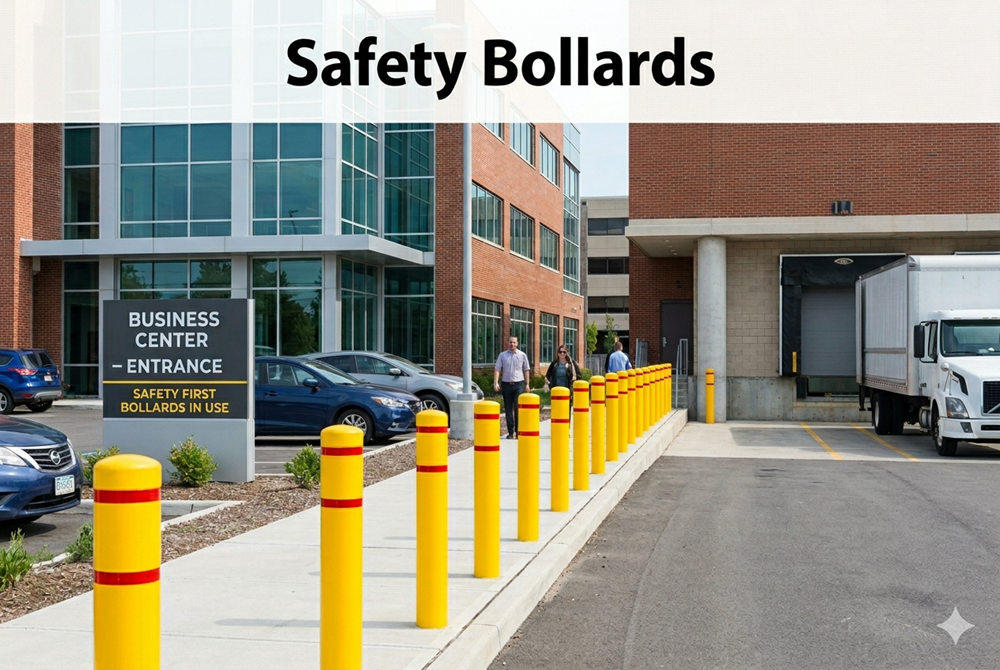
In this guide, we’ll walk you through everything you need to know about selecting the right safety bollards for your Brisbane business. From understanding the different types available to navigating Australian compliance requirements, we’ve got you covered. We’ll also explore costs, sizing considerations, material options, and how to find a reputable supplier. By the end, you’ll feel confident making an informed decision that protects both your premises and your peace of mind.
What Are Safety Bollards and How Do They Work?
Understanding the Basic Function of Safety Bollards
At their core, safety bollards are vertical posts designed to control or prevent vehicle access to specific areas. They create a physical barrier between moving vehicles and the spaces you want to protect whether that’s a pedestrian zone, building entrance, or valuable equipment.
The principle is straightforward: bollards absorb and redirect the energy from vehicle impacts. Depending on their design and installation, they can either stop a vehicle completely or simply guide traffic away from protected areas. Think of them as silent security guards that work around the clock without needing a tea break.
Key Components and Materials Used in Modern Bollards
Modern bollards typically consist of three main elements: the visible post, the mounting mechanism, and any additional features like reflective strips or lighting. The post itself can be hollow or solid, depending on the required impact resistance.
Materials range from heavy-duty steel and concrete to flexible plastic and even decorative cast iron. Each material offers different levels of protection, durability, and aesthetic appeal. The mounting system is equally important surface-mounted bollards are bolted to existing concrete, while in-ground options are set into foundations for maximum strength.
Types of Safety Bollards Available in Brisbane
Fixed Bollards for Permanent Protection
Fixed bollards are the most common choice for businesses requiring constant protection. Once installed, they’re not going anywhere – which is precisely the point. They’re ideal for storefronts, building perimeters, and areas where vehicle access is never required.
These bollards are typically made from steel or concrete and are either bolted to the surface or embedded in foundations. Their permanence makes them the strongest option available, capable of stopping vehicles travelling at considerable speeds.
Removable and Retractable Options
Need flexibility? Removable bollards slot into ground sockets and can be lifted out when access is required. This makes them perfect for loading zones or areas that need occasional vehicle entry.
Retractable and automatic bollards take this concept further, disappearing into the ground at the push of a button or swipe of a key card. While more expensive, they’re brilliant for high-security applications or car parks requiring controlled access. Fold-down bollards offer a middle ground they hinge at the base and can be lowered flat when needed.
Decorative vs Industrial Bollards: Which Suits Your Business?
Industrial bollards prioritise function over form. They’re typically bright yellow or safety orange, with reflective strips for visibility. Warehouses, construction sites, and loading docks benefit from this no-nonsense approach.
Decorative bollards, however, blend protection with aesthetics. Available in heritage designs, brushed steel finishes, or custom colours, they’re popular in retail precincts, hospitality venues, and anywhere first impressions matter. The good news? You don’t always have to choose between beauty and strength – many decorative options offer excellent impact resistance.
What Are the Different Uses of Safety Bollards?
Protecting Storefronts and Building Entrances
Ram-raids remain a significant concern for Queensland retailers. Safety bollards positioned at shopfronts create a protective buffer zone that can deter opportunistic criminals and minimise damage if an incident does occur. They’re particularly valuable for businesses with large glass frontages or those located in areas with vehicular access.
Warehouse and Industrial Safety Applications
Inside warehouses and factories, bollards protect racking systems, machinery, pedestrian walkways, and building columns from forklift collisions. These internal bollards are often bright yellow to maximise visibility and may be designed to absorb impacts without damaging floors.
Traffic Management and Pedestrian Safety
Car parks rely on bollards to define traffic lanes, protect pay stations, and separate pedestrian zones from vehicle areas. In public spaces, they create safe zones for outdoor dining, markets, and events. Plus, they’re instrumental in managing traffic flow around your premises.
How Do I Know What Size Bollard I Need?
Height and Diameter Requirements
Standard bollard heights typically range from 900mm to 1200mm above ground level. The right height depends on what you’re protecting against – passenger vehicles, commercial trucks, or simply guiding foot traffic.
Diameter matters for impact resistance. Thicker bollards withstand greater forces. Most commercial bollards range from 90mm to 220mm in diameter, with heavier-duty options going larger still.
Matching Bollard Size to Your Specific Threat Level
Consider the realistic threats your business faces. A café needing to separate outdoor dining from a car park has different requirements than a government building requiring anti-terrorism measures. Your supplier should help you assess risk levels and recommend appropriate specifications.
What Materials Are Best for Outdoor Bollards?
Steel, Concrete, and Plastic Options
Steel bollards offer an excellent balance of strength, durability, and versatility. They’re resistant to corrosion when properly treated and can be powder-coated in various colours. Concrete bollards provide heavy-duty protection and are virtually maintenance-free, though they’re less visually flexible.
Plastic and flexible bollards suit low-impact zones where visibility is more important than stopping power. They’ll bend or break on impact rather than damaging vehicles, making them ideal for car park guidance rather than security applications. Brisbane’s climate means choosing materials rated for outdoor exposure and UV resistance.
Are Safety Bollards a Legal Requirement in Queensland?
Australian Standards and Compliance
While bollards aren’t universally mandated, specific situations do require them under Australian Standards. AS/NZS 3845 covers road safety barrier systems, and various building codes may require bollard protection for certain structures or pedestrian areas.
Workplace Health and Safety Obligations
Under Queensland’s Work Health and Safety Act, businesses must eliminate or minimise risks to workers and visitors. If your risk assessment identifies vehicle strike as a hazard, installing appropriate bollards becomes part of your compliance obligations. Failure to address identified risks could result in penalties or liability issues following an incident.
How to Choose the Right Safety Bollard Supplier in Brisbane
What to Look for in a Reputable Supplier
Look for suppliers with demonstrated experience in commercial and industrial applications. They should offer a range of products to suit different needs and budgets, along with clear information about specifications and compliance ratings.
Good suppliers provide site assessments and tailored recommendations rather than one-size-fits-all solutions. Check reviews, ask for case studies, and verify they understand Queensland’s specific requirements.
Installation and Maintenance Considerations
DIY Installation vs Professional Fitting
Surface-mounted bollards on existing concrete might be within reach for handy business owners. However, in-ground installation typically requires professional expertise – you’ll need excavation, proper foundations, and possibly core drilling.
Consider surface types carefully. Concrete, asphalt, tiles, and pavers all require different mounting approaches. Getting this wrong compromises your bollards’ effectiveness.
Maintaining Your Bollards Long-Term
Regular inspections should check for damage, corrosion, loose fittings, and visibility. Keep reflective strips clean and replace them when faded. Address any damage promptly – a damaged bollard won’t perform as designed when you need it most.
Making the Right Choice for Your Business
Selecting the right safety bollards involves balancing multiple factors: protection level, aesthetics, budget, compliance requirements, and practical considerations like access needs. There’s no single “best” bollard only the best choice for your specific circumstances.
Take time to assess your genuine risks and requirements before purchasing. Walk your premises with fresh eyes, noting vulnerable areas and traffic patterns. Consider consulting with security professionals or your bollard supplier for expert input.
Ultimately, investing in quality safety bollards protects more than just your property it safeguards your staff, customers, and business reputation. Whether you’re securing a Brisbane retail outlet, industrial warehouse, or commercial office, the right bollards provide reliable protection that works silently in the background, every single day. Don’t wait for an incident to make safety a priority.