
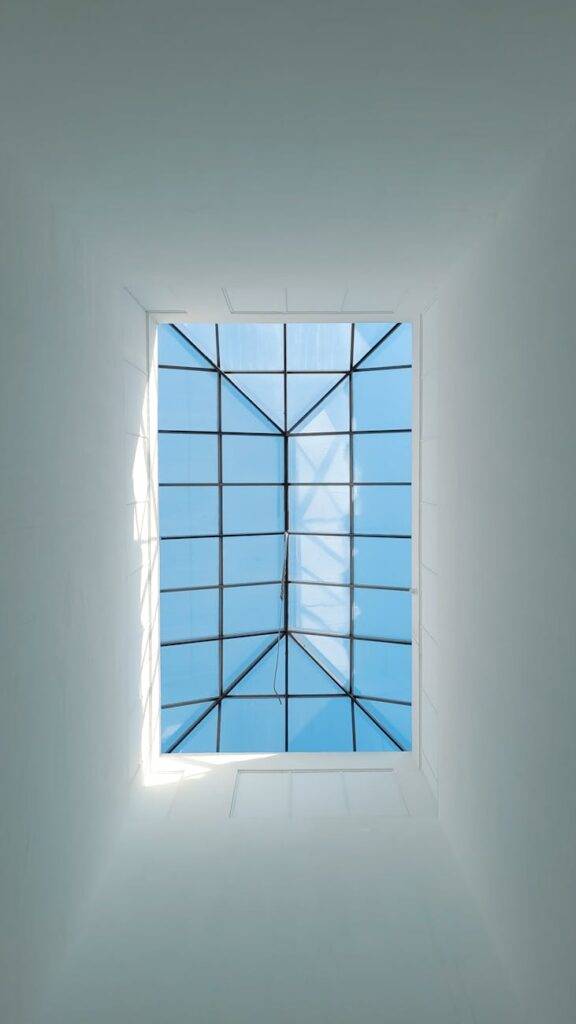
Ever wondered what it would be like to wake up to natural sunlight streaming into your bedroom? Or perhaps you’ve thought about how much brighter your dark hallway could be with a window in the roof? Choosing skylights for your home might seem straightforward, but there’s actually quite a bit to consider before you start browsing skylights for sale.
Skylights have become increasingly popular in Australian homes, and it’s easy to see why. They transform dark, gloomy spaces into bright, welcoming rooms without sacrificing wall space or privacy. Plus, they can help reduce your electricity bills by cutting down on artificial lighting during the day.
In this guide, we’ll walk you through everything you need to know about selecting the perfect skylights for your home. From understanding the different types available to calculating the right size for your rooms, we’ve got you covered. We’ll also tackle common concerns like leaks, installation costs, and whether you should DIY or call in the professionals. By the end, you’ll have all the knowledge you need to make a confident purchase.
What Are The Different Types Of Skylights?
Before diving into the buying process, it’s worth understanding what options are actually out there. Not all skylights are created equal, and the right choice depends on your specific needs.
Fixed Skylights
Fixed skylights are the most common and affordable option. As the name suggests, they don’t open—they’re purely designed to let light in. These work brilliantly in spaces where you want maximum natural light but don’t need extra ventilation, like hallways, stairwells, or living rooms with high ceilings.
Ventilating (Operable) Skylights
If you’re after both light and fresh air, ventilating skylights are your best bet. These can be opened manually or electronically, making them perfect for kitchens and bathrooms where moisture and odours need to escape. Some models even come with rain sensors that automatically close when the weather turns.
Tubular Skylights
Got a tight space or a room without direct roof access? Tubular skylights use a reflective tube to channel sunlight from the roof into the room below. They’re compact, cost-effective, and ideal for cupboards, en-suites, or corridors where traditional skylights won’t fit.
Custom And Architectural Skylights
For those with unique design visions, custom skylights offer endless possibilities. From pyramid shapes to glass roofs spanning entire rooms, these are typically used in grand designs or commercial spaces. They come with a higher price tag but deliver stunning visual impact.
What Are The Benefits Of Installing Skylights?
Natural Light And Energy Savings
One of the biggest advantages of skylights is the sheer amount of natural light they bring in. Compared to vertical windows, skylights can let in up to three times more light. This means you’ll rely less on artificial lighting during the day, which can translate to noticeable savings on your electricity bills.
Improved Ventilation And Air Quality
Operable skylights do more than just look good—they actively improve your home’s air quality. Hot air naturally rises, so a skylight that opens allows warm, stale air to escape while drawing cooler air in from below. This passive ventilation can reduce your need for air conditioning during Australia’s warmer months.
Boosting Property Value
Here’s something worth noting: skylights can actually increase your home’s resale value. Buyers love bright, airy spaces, and skylights add that wow factor that can set your property apart. It’s an investment that pays off both while you’re living there and when it’s time to sell.
How Much Do Skylights Cost In Australia?
Skylight Price Ranges By Type
When you’re looking at skylights for sale, prices vary quite a bit depending on the type and quality. Fixed skylights typically start around $300 to $800 for the unit alone. Ventilating skylights are pricier, ranging from $500 to $1,500 or more. Tubular skylights are often the most budget-friendly, starting at around $200.
Installation Costs To Factor In
Don’t forget to budget for installation. Professional fitting usually costs between $500 and $1,500 per skylight, depending on your roof type, accessibility, and whether any structural modifications are needed. For tiled roofs or multi-storey homes, expect to pay more.
Are Skylights Worth The Investment?
Absolutely. While the upfront cost might seem steep, the long-term benefits—reduced energy bills, improved well-being, and increased property value—make skylights a worthwhile investment. Think of it as buying sunshine for your home.
How Do I Know Which Skylight Size Is Right For My Room?
Calculating The Ideal Skylight Size
A common rule of thumb is that your skylight should cover roughly 5% of your floor area for rooms with several windows, or up to 15% for rooms with few or no windows. For example, a 20-square-metre room might benefit from a skylight around 1 to 3 square metres in size.
Matching Skylight Size To Room Function
The ideal size also depends on what you’ll use the room for. Bedrooms might benefit from smaller skylights to control morning light, while living areas can handle larger installations for maximum brightness. Consider how the light will move throughout the day and whether you’ll want blinds for control.
What Should I Look For When Buying Skylights?
Glazing Options: Glass vs. Acrylic
Glass skylights are more durable, scratch-resistant, and offer better clarity. Acrylic options are lighter and cheaper but can yellow over time and scratch more easily. For long-term performance, glass is generally the better choice despite the higher cost.
Energy Efficiency Ratings
Look for skylights with good energy ratings. Double-glazed units with low-E coatings help keep heat out in summer and warmth in during winter. This is particularly important in Australia’s diverse climate, where temperatures can swing dramatically.
UV Protection And Heat Control
Nobody wants their furniture to fade from sun exposure. Quality skylights come with UV-protective coatings that block harmful rays while still letting light through. Some also feature tinted or reflective glass to reduce heat gain—essential for north-facing installations.
Where Is The Best Place To Install A Skylight?
Roof Orientation And Sun Exposure
In Australia, south-facing skylights provide consistent, soft light without excessive heat gain. North-facing installations let in more light and warmth, which is great for winter but might require shading in summer. East and west orientations give you morning or afternoon sun, respectively.
Best Rooms For Skylights
Kitchens, bathrooms, and hallways are popular choices because they often lack natural light. Home offices benefit from the mood-boosting effects of daylight, while living rooms become more inviting with overhead illumination. Even wardrobes and laundries can be transformed with tubular skylights.
Do Skylights Leak? Common Concerns Addressed
How To Prevent Skylight Leaks
This is probably the most common worry homeowners have. The good news? Modern skylights, when properly installed, rarely leak. The key is quality installation and ensuring proper flashing around the frame. Regular maintenance, like clearing debris from the roof, also helps prevent water pooling.
Choosing Quality Flashing And Installation
Flashing is the metal framework that seals the skylight to your roof. Cheap or poorly fitted flashing is usually the culprit when leaks occur. Always choose high-quality flashing kits designed for your specific roof type and never cut corners on installation.
Can i install a skylight myself or do i need a professional?
While tubular skylights can sometimes be a DIY project for handy homeowners, most skylight installations are best left to professionals. Cutting into your roof involves waterproofing, structural considerations, and potentially electrical work for ventilating models.
A professional installer ensures warranties remain valid, building codes are met, and your roof stays watertight. The extra cost is worth the peace of mind, especially given Australian weather conditions.
Top Tips For Finding Quality Skylights For Sale
When shopping for skylights, don’t just go for the cheapest option. Compare warranties—reputable brands offer 10 years or more. Read reviews from other Australian homeowners and ask installers which brands they recommend.
Visit showrooms if possible to see different skylights in person. Online research is helpful, but nothing beats seeing how light filters through different glazing options. What’s more, check that your chosen skylight meets Australian standards for energy efficiency and safety.
Making The Right Skylight Choice For Your Home
Choosing the right skylights doesn’t have to be overwhelming. By understanding the different types available—from fixed to ventilating to tubular—you can match your selection to your specific needs. Consider factors like room function, roof orientation, and your budget when making your decision.
Remember, quality matters more than price when it comes to skylights. Investing in good glazing, proper UV protection, and professional installation will save you headaches down the track. The benefits of natural light, improved ventilation, and energy savings make skylights a smart addition to any Australian home.
Ready to transform your living spaces? Start by assessing which rooms would benefit most from natural light, then explore the skylights for sale that fit your requirements. With the right choice, you’ll be enjoying bright, beautiful spaces for years to come. Good luck with your skylight journey!