
Have you ever wondered how some people stay calm and act fast when everything feels out of control? Leadership is not only about giving orders. It is about thinking clearly, guiding others, and making safe choices under pressure.
Many leaders freeze when stress rises because they lack training and practice. The good news is that these skills can be learned with the right steps and support. In this article, you will learn how to build strong response skills, gain confidence, and lead others with care during difficult moments.
Staying Clear And Focused Under Pressure
In urgent moments, a leader must slow their thoughts while moving with purpose. Good response and communication skills begin with a clear awareness of the scene and the people involved. You check for danger, call for help, and assign simple tasks so everyone knows what to do.
Training builds these habits so actions feel natural when time is short. Practice also teaches you to speak in a calm tone, which helps others feel safe and ready to act. Leaders who prepare ahead can reduce panic and prevent small problems from growing into larger ones.
Leaders must also stay alert and adjust as the situation changes. They watch for new risks and make quick choices to keep everyone safe. This steady focus helps them stay in control and guide others with confidence.
Building Skills Through Training And Practice
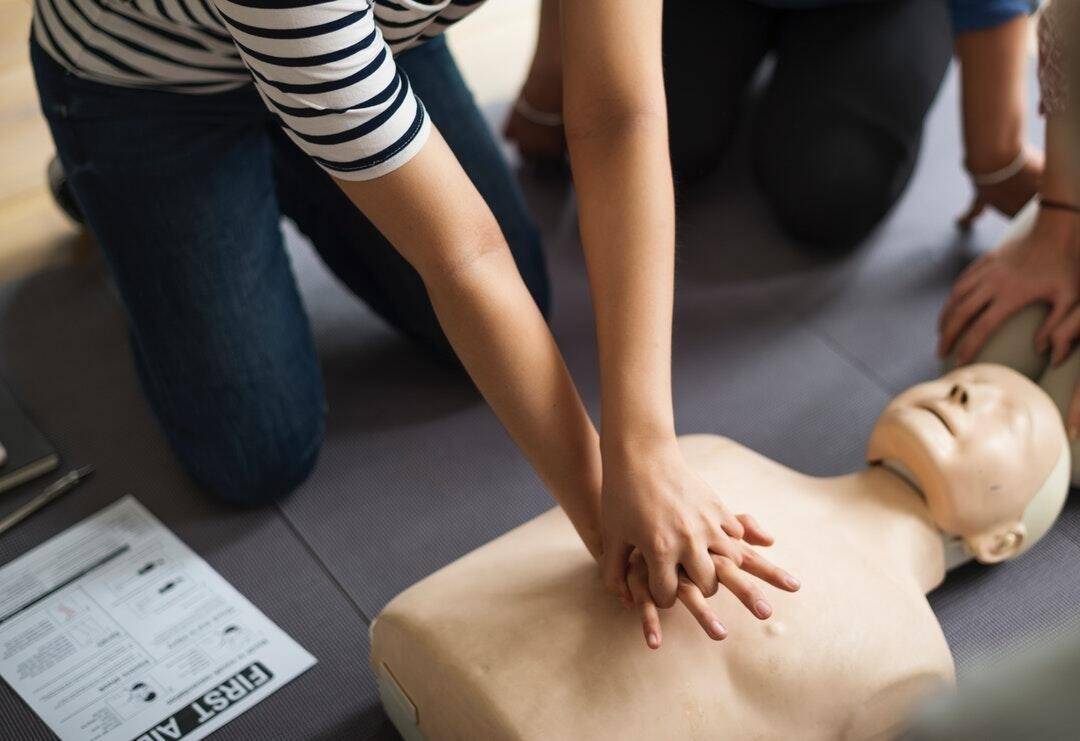
Advanced emergency training gives structure to each step. It shows how to assess breathing, control bleeding, and support someone until help arrives. This kind of learning builds strong confidence because you know what to do and why it works.
Many leaders choose to earn a BLS certification to strengthen these skills and meet common workplace needs. A trusted option like MyCPR NOW offers flexible study and clear lessons that fit busy schedules. With guided practice, you learn to act with speed while keeping safety first.
This training also helps leaders stay calm when pressure rises. They learn how to make quick decisions without losing focus or control. Over time, these skills become natural and improve how they respond in real emergencies.
Leading Teams With Confidence And Care
Strong leaders also focus on teamwork during stress. They listen, confirm key details, and repeat instructions so nothing is missed. Simple words and short sentences reduce confusion and keep the group focused.
After the event, they review what happened and note what can be improved next time. This steady cycle of practice and reflection turns basic knowledge into a reliable skill. Over time, leaders become steady voices who can guide others through fear and uncertainty with care and control.
They also build simple plans for common risks, such as fires, injuries, or sudden illness. These plans include clear roles, safe exits, and ways to share updates. Drills help teams remember steps and spot gaps before a real event. Leaders who plan ahead can make faster choices and stay ready to act.
Strong Leaders Rise When It Matters Most
True leadership in crisis grows from practice, thinking, and care for people. When you invest in training, you build courage to act and skill to choose wisely.
Over time, you will guide teams with calm and protect those around you in hard moments. Keep learning, keep practicing, and keep your focus on safety and respect. These steps help you become a leader others trust when it matters most.
Did this guide help you? Browse the rest of this section for more advice on a variety of topics.