
According to the UNESCO World Heritage Centre, Russia is home to 30 UNESCO World Heritage Sites, including historic cities, ancient monuments, and remarkable natural landscapes. This makes it one of the world’s most culturally and naturally diverse destinations. Russia is also the largest country on Earth, stretching across 11 time zones from Eastern Europe to the Pacific Ocean, giving travelers an incredible variety of places to explore. (Source: UNESCO World Heritage Centre)
When I first started learning about Russia, I was surprised by how much more it offered than the famous landmarks in Moscow. Every region has its own story, from colorful cathedrals and imperial palaces to frozen lakes, active volcanoes, and peaceful mountain valleys. Whether you enjoy history, outdoor adventures, wildlife, or photography, Russia has something that feels completely different from one destination to the next.
This guide covers the popular places in Russia that deserve a spot on your travel list. You’ll discover iconic cities like Moscow and St. Petersburg, breathtaking natural wonders such as Lake Baikal and Kamchatka, charming historic towns in the Golden Ring, and lesser-known destinations that showcase another side of this vast country.
Why Visit Russia?
Rich History and Cultural Heritage
Russia’s history stretches back more than a thousand years, and you can see it almost everywhere you travel. Ancient churches stand beside grand palaces, while medieval fortresses overlook modern city streets. Walking through Russia’s historic centers feels like stepping into different periods of history.
Cities such as Moscow and St. Petersburg are filled with famous museums, royal residences, cathedrals, and public squares that have shaped Russian culture for centuries. Beyond these major cities, smaller towns preserve old traditions, beautiful wooden houses, and centuries-old monasteries that tell the story of the country’s past.
One of the things I appreciate most is how each destination has its own identity. Every city offers different architecture, local customs, and regional food, making every stop feel unique.
Spectacular Natural Landscapes
Russia is just as impressive for its natural beauty as it is for its history. The country includes crystal-clear lakes, snow-covered mountains, dense forests, Arctic tundra, volcanoes, rivers, and long coastlines.
Lake Baikal is famous for its incredibly clear water and dramatic winter ice. The Kamchatka Peninsula is home to active volcanoes and one of the world’s largest concentrations of geysers. In southern Russia, the Altai Mountains offer peaceful hiking trails, alpine lakes, and breathtaking scenery.
Because of its enormous size, Russia has landscapes that change dramatically from one region to another. Every season brings a completely different experience.
Unique Experiences Throughout the Year
No matter when you visit, Russia offers memorable experiences. Summer brings pleasant weather for sightseeing, hiking, and exploring historic cities. Autumn fills forests and parks with colorful leaves, making it an excellent time for photography.
Winter transforms many destinations into snowy wonderlands. Frozen Lake Baikal becomes one of the most photographed places in the world, while Murmansk offers opportunities to see the Northern Lights. Spring arrives with blooming parks, fewer crowds, and comfortable temperatures for exploring major attractions.
Popular Places in Russia You Need to Visit
Moscow
Moscow is usually the first destination travelers visit, and it’s easy to understand why. As Russia’s capital, it combines historic landmarks with modern attractions, impressive museums, shopping districts, and vibrant public spaces.
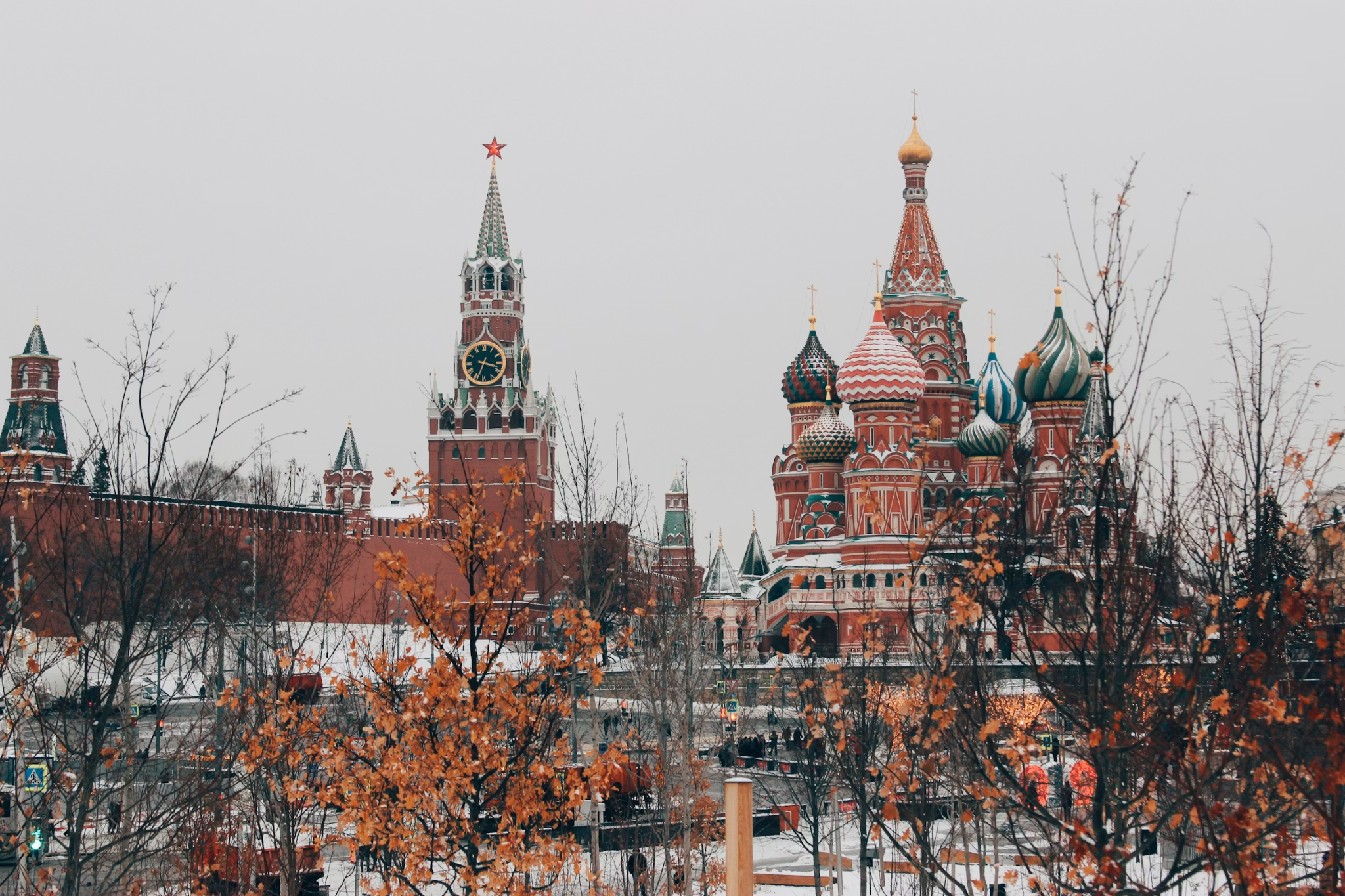
The heart of the city is Red Square, one of the world’s most famous public squares. Standing here, I could easily spend hours admiring the colorful domes of St. Basil’s Cathedral, whose unique design has become a symbol of Russia.
Next to the square is the Kremlin, a massive fortified complex that serves as the official residence of the Russian president. Inside its walls, you’ll find cathedrals, museums, gardens, and centuries of Russian history.
If you enjoy performing arts, the historic Bolshoi Theatre hosts world-famous ballet and opera performances. For shopping and architecture, GUM Shopping Mall combines luxury stores with a beautiful 19th-century glass roof that makes it worth visiting even if you don’t plan to shop.
St. Petersburg
Often called Russia’s cultural capital, St. Petersburg is known for elegant architecture, canals, royal palaces, and outstanding museums.
The highlight for many visitors is the Hermitage Museum, one of the largest art museums in the world. Housed inside the magnificent Winter Palace, it contains millions of artworks collected over several centuries.
A short trip outside the city leads to Peterhof Palace, often compared to France’s Palace of Versailles because of its beautiful gardens and impressive fountains.
Another landmark that immediately caught my attention was the Church of the Savior on Spilled Blood. Its colorful domes and detailed mosaics make it one of the most photographed buildings in Russia.
Lake Baikal
Lake Baikal is one of Russia’s greatest natural treasures. It is the world’s deepest freshwater lake and contains about 20% of the planet’s unfrozen freshwater, according to UNESCO.
During summer, visitors can hike forest trails, kayak across the lake, or spot local wildlife. In winter, the lake transforms into a frozen landscape with thick, crystal-clear ice that attracts photographers from around the world.
The peaceful atmosphere and beautiful scenery make Lake Baikal one of the most unforgettable places I would recommend to nature lovers.
Kazan
Kazan is one of the most unique cities I came across while researching Russia because it combines two cultures in a way that feels natural. Located on the Volga River, the city is known for its colorful streets, impressive landmarks, and welcoming atmosphere.
The highlight is the Kazan Kremlin, a historic fortress that overlooks the city. Inside its walls, you’ll find museums, government buildings, and beautiful viewpoints. The stunning Kul Sharif Mosque, with its bright blue domes and white marble exterior, stands beside an Orthodox cathedral, symbolizing the city’s cultural harmony.
Beyond the landmarks, Kazan offers a chance to experience authentic Tatar culture through traditional cuisine, local festivals, and historic neighborhoods. If you enjoy destinations with a mix of history and modern life, Kazan deserves a place on your itinerary.
Sochi
Located along the Black Sea, Sochi is Russia’s best-known beach destination and a popular vacation spot throughout the year.
Its long Black Sea beaches attract visitors during the warmer months, while nearby cafés and waterfront parks create a relaxed atmosphere. The city gained worldwide attention after hosting the 2014 Winter Olympics. Today, Olympic Park remains one of its top attractions with impressive sports venues, fountains, and walking paths.
What surprised me most was how quickly the scenery changed. Within a short drive from the coast, you can reach the nearby mountain resorts, where visitors enjoy hiking in summer and skiing in winter. This combination of beaches and mountains makes Sochi one of Russia’s most versatile travel destinations.
Golden Ring
The Golden Ring is a collection of historic towns northeast of Moscow that preserve Russia’s medieval heritage. Visiting this region feels like stepping back in time.
The peaceful town of Suzdal is famous for its wooden houses, onion-domed churches, and quiet countryside. Vladimir showcases magnificent cathedrals and historic monuments that have stood for centuries, while Yaroslavl impresses visitors with elegant riverside views and beautifully preserved architecture.
Throughout the Golden Ring, you’ll discover historic monasteries, ancient churches, and charming town squares that offer a slower pace compared to Russia’s larger cities. For anyone interested in history, this region provides an authentic look at traditional Russia.
Kamchatka Peninsula
For outdoor enthusiasts, few places compare to the Kamchatka Peninsula. This remote region is one of the world’s most spectacular wilderness destinations.
Kamchatka is home to more than 300 volcanoes, many of which remain active. One of its greatest natural attractions is the Valley of Geysers, where steaming vents, hot springs, and colorful geothermal landscapes create an unforgettable sight.
Wildlife is another reason to visit. Brown bears, sea eagles, foxes, and marine animals thrive in this untouched environment. Whether hiking through volcanic landscapes or joining guided wildlife tours, Kamchatka offers adventures unlike anywhere else in Russia.
Vladivostok
Located on Russia’s Pacific coast, Vladivostok combines natural beauty with a modern harbor city.
The scenic Pacific coastline offers excellent viewpoints, walking trails, and fresh seafood restaurants overlooking the sea. A drive across the impressive Golden Bridge provides panoramic views of the harbor and surrounding hills.
Just offshore, Russky Island features beaches, hiking trails, and scenic coastal cliffs. I like how Vladivostok feels different from western Russia, with a stronger connection to the Pacific and neighboring Asian countries.
Murmansk
Murmansk sits above the Arctic Circle and is one of the best places in Russia to experience the Arctic.
Many travelers visit during winter for a chance to see the breathtaking Northern Lights dancing across the night sky. The city also serves as a gateway to unforgettable Arctic experiences, including snowmobile tours, husky sledding, ice fishing, and visits to frozen landscapes.
Although winters are long, Murmansk offers a peaceful atmosphere that appeals to travelers looking for something beyond the typical tourist route.
Altai Mountains
The Altai Mountains are among Russia’s most beautiful natural regions. The area is known for its untouched wilderness, dramatic peaks, and crystal-clear rivers.
The region offers excellent trekking routes suitable for both beginners and experienced hikers. Along the trails, you’ll discover peaceful alpine lakes, green valleys, and snow-capped mountains that create incredible photo opportunities.
I especially like how quiet the Altai Mountains feel. Unlike more crowded destinations, they provide plenty of space to enjoy nature without distractions.
Hidden Gems in Russia
Karelia
Bordering Finland, Karelia is filled with lakes, forests, and peaceful villages. One of its highlights is Kizhi Island, home to remarkable wooden churches that are recognized as a UNESCO World Heritage Site.
The region is perfect for travelers who enjoy kayaking, hiking, fishing, and exploring untouched forests. Its quiet landscapes offer a refreshing escape from busy cities.
Kaliningrad
Separated from mainland Russia, Kaliningrad has a distinct European character shaped by its unique history.
Walking through the city, you’ll notice impressive European architecture, museums, and historic forts. Along the nearby Baltic coastline, sandy beaches and seaside towns provide relaxing places to unwind during summer.
Pskov
One of Russia’s oldest cities, Pskov is rich in medieval history.
Its well-preserved medieval fortresses and impressive ancient churches tell the story of centuries of Russian history. Compared to more famous destinations, Pskov remains less crowded, making it ideal for travelers seeking a quieter cultural experience.
Yakutsk
Known as one of the coldest cities on Earth, Yakutsk offers a travel experience unlike any other.
Visitors can explore fascinating permafrost attractions, including underground museums built within permanently frozen ground. Winter temperatures often fall far below freezing, creating truly extreme winter experiences that adventurous travelers rarely forget.
Best Time to Visit Russia
Summer
Summer, from June through August, is the most popular season to visit Russia. Pleasant temperatures make sightseeing, hiking, and outdoor festivals more enjoyable. It’s also the best time to explore cities like Moscow and St. Petersburg or cruise across Lake Baikal.
Autumn
Autumn brings colorful forests, cooler weather, and fewer crowds. Parks and historic towns become especially beautiful as leaves change color, making this an excellent season for photography and scenic road trips.
Winter
Winter transforms Russia into a snowy wonderland. Frozen Lake Baikal, Christmas markets, ski resorts, and the Northern Lights in Murmansk create unforgettable experiences. Travelers should prepare for very cold temperatures, especially in Siberia and northern Russia.
Spring
Spring offers mild weather and blooming gardens across many parts of Russia. Tourist attractions are generally less crowded than in summer, making it a comfortable time to visit popular cities and historical sites before the peak travel season begins.
How to Travel Around Russia
According to Russia’s Federal State Statistics Service (Rosstat), domestic tourism exceeded 61.7 million trips during the first eight months of 2025, showing that millions of people continue to rely on the country’s extensive transportation network to travel between regions. This growth highlights how important trains, flights, and public transit are for moving across the world’s largest country.
Domestic Flights
Russia covers more than 6.6 million square miles, so flying is often the fastest way to travel between major cities. During my trip planning, I quickly realized that routes like Moscow to Vladivostok or St. Petersburg to Sochi would take days by train but only a few hours by plane. If your itinerary includes cities that are far apart, domestic flights can save valuable time.
Keep in mind that weather conditions, airport security, and operational changes may affect schedules, especially during winter. Booking tickets a few weeks in advance usually gives you better fares and a wider choice of flight times.
High-Speed Trains
If you’re traveling between nearby major cities, high-speed trains are one of the most comfortable options. I found them clean, reliable, and much easier than dealing with airport security for shorter trips. The high-speed route between Moscow and St. Petersburg is especially popular because it combines speed with convenience.
Train stations are usually located close to city centers, making it easy to continue your journey using local transportation after arrival.
Trans-Siberian Railway
The Trans-Siberian Railway is more than just transportation—it’s one of the world’s most famous rail journeys. Stretching nearly 5,772 miles (9,289 kilometers) from Moscow to Vladivostok, it crosses forests, mountains, rivers, and several time zones.
I wouldn’t recommend rushing this trip. Breaking the journey into several stops allows you to explore destinations like Yekaterinburg, Novosibirsk, or Irkutsk instead of spending an entire week on the train. Booking sleeper cabins well ahead of time is a smart move, especially during the summer travel season.
Public Transportation
Getting around Russian cities is generally straightforward. Large cities such as Moscow and St. Petersburg have extensive metro systems that are affordable, fast, and easy to navigate with route maps and station signs. Buses, trams, and trolleybuses also connect neighborhoods that the metro doesn’t reach.
I found it helpful to carry a transportation card or use contactless payment where available. During rush hours, trains and buses can become crowded, so planning sightseeing outside peak times makes the experience much more comfortable.
Essential Travel Tips
Rosstat data also shows continued growth in domestic travel across Russia, reflecting an active transportation network and increasing demand for tourism services. Before visiting, I found that understanding a few practical details made the trip much smoother.
Visa Requirements
Most international travelers need a visa before entering Russia. The application process varies depending on your nationality, so always check the latest requirements well before booking your trip. Your passport should usually remain valid for at least six months beyond your planned departure date, and additional documents such as hotel confirmations or invitation letters may be required.
Since entry rules can change, I always recommend confirming the latest information with the nearest Russian embassy or consulate before traveling.
Currency and Payments
Russia uses the Russian Ruble (RUB). While card payments are common in many hotels, restaurants, and shopping centers, I found that carrying some cash is useful for local markets, small cafés, and transportation in smaller towns.
Because international banking services and foreign-issued cards may face restrictions, check your payment options before departure and exchange enough currency for daily expenses.
Local Etiquette
Russian culture values politeness and respect. Greeting people with a firm handshake, speaking in a calm tone, and being punctual create a positive impression. When visiting churches or religious sites, wear modest clothing and follow any posted rules about photography.
Learning a few simple Russian phrases also goes a long way. Even a basic “thank you” or “hello” is usually appreciated.
Safety Tips
Most tourist areas are safe when you use common travel precautions. Keep your passport secure, watch your belongings in crowded places, and avoid carrying large amounts of cash. I also recommend saving copies of your travel documents digitally in case you need them during your trip.
Before traveling, check the latest government travel advisories and local news for any updates that could affect transportation or regional access.
Packing Essentials
Packing for Russia depends heavily on the season. Winter temperatures can be extremely cold, so insulated jackets, thermal clothing, gloves, and waterproof boots are essential. During summer, lightweight clothing is comfortable, but I still packed a light jacket because evenings can become cool.
Comfortable walking shoes, a universal power adapter, prescription medications, a portable power bank, and printed copies of important travel documents are items I always include. They take up little space but can save a lot of hassle during the trip.
Final Thoughts
According to the UNESCO World Heritage Centre, Russia has 32 UNESCO World Heritage Sites, reflecting its rich mix of history, culture, and natural beauty. (Source: UNESCO World Heritage Centre)
From my research, I found that Russia offers much more than Moscow and St. Petersburg. Exploring its lakes, mountains, historic towns, and remote wilderness gives you a deeper look at what makes the country unique. That’s why many of the popular places in Russia are found beyond the biggest cities.
Whether you’re planning your first visit or returning to explore more, Russia has destinations for every type of traveler. Have a favorite place in Russia or a question about your trip? Share it in the comments—I’d love to hear from you.