
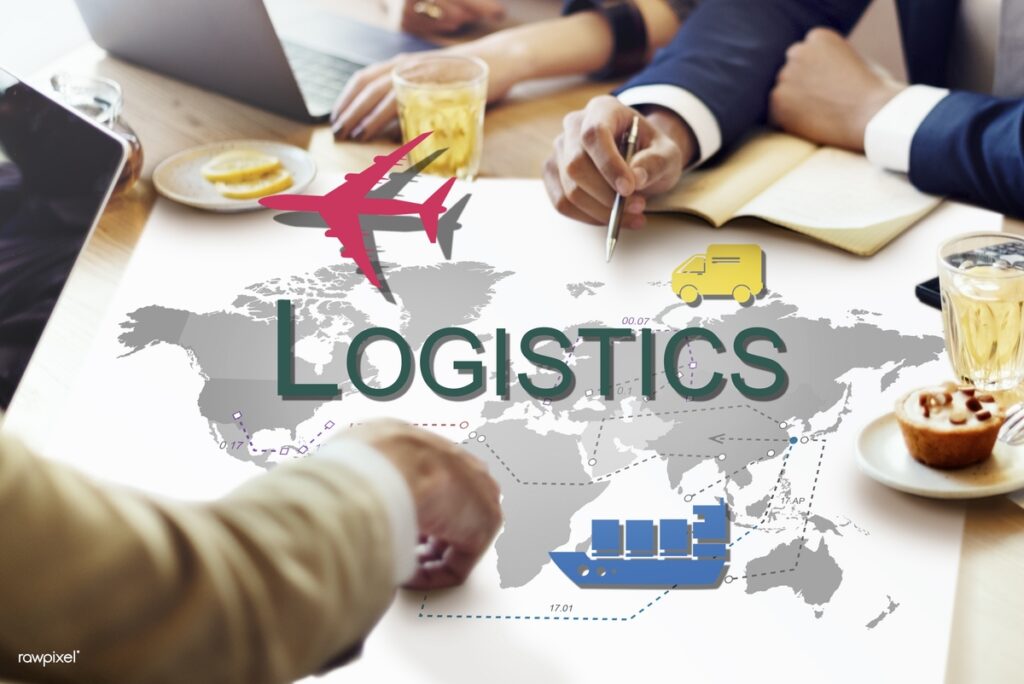
The companies that move products efficiently share one trait: they build logistics infrastructure before they actually need it. Not after a crunch hits. Before. That gap — between acting early and scrambling late — is what separates market leaders from businesses that spend peak season apologizing to customers. Looking closely at these investments reveals exactly how high-performing organizations stay ahead of demand rather than chasing it.
Expanding Warehouse and Storage Capacity
Smart logistics managers don’t wait for the rush to think about space. They’re signing leases when competitors are still reviewing last quarter’s numbers. Driven by historical sales data and forward market projections, these decisions often look premature — until they don’t. A retailer gearing up for the holiday surge might lock down additional fulfillment centers in spring, months before Black Friday is anyone else’s concern. That advanced footprint means inventory flows in clean, orders process without bottlenecks, and customers never feel the friction.
And the physical buildout itself takes time. Real estate negotiations, racking systems, climate control installations, material handling equipment — none of it arrives overnight. Construction timelines alone can stretch into months. Companies that move early sidestep another pain point too: the price spikes and scarce availability that hit when every competitor suddenly needs warehouse space at once. Waiting costs more. Always.
Technology Infrastructure and Automation Systems
Logistics runs on software now. Warehouse management systems, inventory tracking platforms, order management tools — these aren’t plug-and-play solutions you drop in during a busy week. They require selection, customization, testing, and real staff training before they function well. A company that rolls out new software mid-peak season is asking for chaos. Employees fumbling with unfamiliar platforms, unresolved bugs, and mounting errors. It’s a predictable disaster.
Automation is the other big pre-surge bet. Conveyor lines, sortation equipment, robotic picking systems — the installations alone take months to design and test properly. But when high-volume periods hit, these systems pay back hard. Faster throughput, fewer mistakes, consistent output regardless of order volume. They also deliver accuracy gains during normal operations, making them a permanent operational asset rather than a seasonal fix.
Transportation Fleet Expansion
More shipments require more vehicles. Simple math, complicated execution. Companies assess fleet needs early — additional trucks, delivery vans, specialized carriers — and negotiate accordingly. Long-term leases beat emergency short-term rentals on price, sometimes dramatically. Purchasing outright or locking in fleet agreements with specialized providers both take months of negotiation and financing work before a single extra truck rolls out.
For bulk liquid and chemical shippers scaling up ahead of demand, procurement teams that secure sturdy ISO tanks for sale well in advance ensure they have certified intermodal capacity ready before peak shipping windows arrive, rather than competing for scarce units at a premium.
Driver hiring can’t be rushed either. Vetting, onboarding, route familiarization, safety training, customer service standards — compress that process and quality drops fast. Companies that hire gradually throughout the year arrive at peak season with a seasoned team already in place. The ones that wait find themselves hunting for qualified drivers during the highest-pressure weeks of the calendar. That’s not a position anyone wants to be in.
Supply Chain and Vendor Relationships
Pre-negotiated supplier agreements are worth real money when demand accelerates. Contracts that lock in access to additional products or services — often at predetermined prices — eliminate the uncertainty of scrambling for capacity at the worst possible moment. Without them, companies face a double problem: not knowing if a supplier can scale, and not knowing what premium they’ll charge if they can.
Vendor diversification matters just as much. A single-supplier dependency is a liability waiting to surface. If that vendor can’t scale when you need it most, you’re stuck. Building relationships with multiple suppliers takes time — evaluation, negotiation, quality benchmarking — but companies that do this work early gain flexibility and leverage that reactive businesses simply don’t have.
Workforce Planning and Training
Seasonal hiring done late is seasonal hiring done badly. Workers need onboarding that actually covers something: safety procedures, warehouse systems, operational expectations. Companies that start recruitment early give new hires time to acclimate rather than just days. A shipping company bringing on temporary workers in September for an October-through-December surge is making a smart bet — fewer errors, lower supervision costs, smoother ramp-up overall.
Cross-training existing staff compounds that investment. When employees can cover multiple functions, the organization can shift people toward bottlenecks as they develop. And during a demand surge, bottlenecks appear in unexpected places. That flexibility doesn’t emerge on its own — it’s built through deliberate training long before peak season puts it to the test.
Conclusion
The companies that consistently meet customer expectations during peak periods aren’t reacting to demand. They anticipated it — months earlier, with real capital committed across warehousing, technology, fleet capacity, supplier relationships, and workforce development. None of it is cheap. None of it is fast. But treating logistics investment as a continuous, forward-looking discipline rather than a crisis response builds the kind of operational resilience that protects margins year-round and positions a business for growth that actually holds up under pressure.