
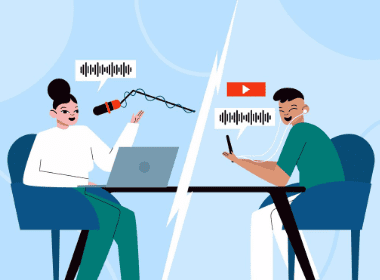
Choosing the right advertising channel is a critical decision for businesses trying to reach more customers in a competitive market. In Australian major metro areas, businesses compare traditional media with online platforms to decide where to spend advertising money. From radio advertising Sydney campaigns targeting commuters to online ads reaching mobile users across the country, both approaches offer distinct advantages. Understanding how radio and digital advertising reach audiences, and what each does best, can help businesses make clearer, more confident decisions.
Understanding Radio Advertising
Radio advertising is a trusted medium in Australia for decades. Even with the growth of digital platforms or streaming, radio attracts a daily listening audience during peak commuting hours. Australians tend to listen to the radio while driving, working, or at home, making it a background medium that captures attention without any screens.
Radio’s biggest strengths are its ability to build familiarity and trust. Hearing the same brand message several times, delivered by familiar voices, builds recognition over time. Local radio stations also allow businesses to target specific geographic areas, which is valuable for organisations focused on reaching customers within a city or region.
Radio advertising is effective for time-sensitive messaging. It is a perfect medium for sales promotion and announcements, upcoming events, or short-term offers can be scheduled quickly and updated easily, with more relevance. While radio does not offer visual elements, strong audio storytelling, music, and tone can create emotional connections that resonate with listeners.
Understanding Digital Advertising
Digital advertising covers a wide range of formats, from search results and social media posts to video ads, websites, and mobile apps. Its biggest advantage lies in precision. Businesses can choose who sees their ads based on location, age, interests, browsing behaviour, or even recent online activity.
It allows for measurable performance. You can check insights through clicks, impressions, conversions, and engagement rates to identify campaign performance. This data-driven approach enables businesses to adjust campaigns in real time, refine messaging, and optimise budgets.
These digital platforms also encourage flexibility to get immediate interaction from the visitors. You can see various images, videos, buttons, and links in the ad that compel users to click, call, or buy instantly. All these features combined make digital advertising useful for online sales, bookings, and lead generation.
Digital advertising also faces challenges. Audiences are exposed to a constant stream of online promotions, which can lead to fatigue. Response and activities like ad blockers, short attention spans, and rising competition indicate that weak creative gets ignored quickly. Success with online sources requires ongoing testing and refinement.
Comparing Audience Reach
Audience Reach: Radio vs Digital
When it comes to reach, radio and digital advertising connect with large numbers of people, but in different ways. Radio reaches listeners during moments when screens aren’t involved, such as driving or working. This makes it ideal for broad awareness campaigns and repeated exposure to a message.
Digital advertising reaches users actively when they are browsing, searching, or scrolling. This creates opportunities for targeted engagement, but it also depends heavily on how much time someone spends online. Younger audiences are more interested and familiar with digital platforms, while radio maintains strong listenership across a wide age range, which includes senior citizens.
Radio still reaches millions of listeners weekly in Australia, including people who may not spend more time online. Digital advertising excels at reaching tech-savvy consumers who rely heavily on smartphones and internet-based content.
Trust and Credibility
Trust is the core consideration when it comes to advertising effectiveness. Radio is a long-established medium that has benefited from higher perceived credibility. Listeners hear ads as a part of their regular programming that make messages more familiar.
Digital advertising also tends to face skepticism, due to concerns around privacy or misleading promotions. Brands with clear communication and coordination, provide value, and maintain transparency to build strong trust online, through consistent messaging and quality content.
Cost and Budget Considerations
Radio advertising requires a higher upfront investment but offers consistent exposure that benefits your brand or business in the long run. Costs vary according to the availability of time slots, the frequency level you choose, and the targeted coverage area. Radio can add a strong value for businesses seeking local reach and repeated messaging for their audience.
Digital advertising offers more budget flexibility. You can start with a small campaign, pause instantly temporarily, and scale quickly with great performance. Businesses find this flexibility appealing as they can test ideas, track results closely, and avoid long-term commitments with clients.
You must choose the option well-suited to your requirements and needs to achieve the desired results. Radio supports brand-building and local visibility. Digital channels are well-suited to short-term promotions, conversions, and detailed tracking.
Which Reaches More Customers?
There isn’t a single answer. Radio can reach customers through repetition, familiarity, and daily routines. Digital advertising reaches customers through personalised, interactive experiences driven by online behaviour.
In many cases, you can get an excellent output by using both media to reach the audience. Radio introduces and reinforces the brand, while digital channels provide a direct, actionable path. They take the help of various emotional triggers that guide customers from awareness to decision-making.
Final Thoughts
Your choice between radio and digital advertising is about matching the channel to the goal. Radio is a reliable option for reaching broad, local audiences with established and trustworthy brand messages. You will get precision, adaptability, and instant engagement with digital advertising offers.
For Australian businesses aiming to grow their customer base, understanding how people consume media, how campaigns will be measured, and how budgets are managed makes all the difference. Businesses can extend their reach, strengthen their presence, and build lasting connections with their audience with the smart blend of both approaches and the right strategy.
Radio Advertising vs Digital Advertising: Which Reaches More Customers?
Choosing the right advertising channel is a critical decision for businesses trying to reach more customers in a competitive market. In Australian major metro areas, businesses compare traditional media with online platforms to decide where to spend advertising money. From radio advertising Sydney campaigns targeting commuters to online ads reaching mobile users across the country, both approaches offer distinct advantages. Understanding how radio and digital advertising reach audiences, and what each does best, can help businesses make clearer, more confident decisions.
Understanding Radio Advertising
Radio advertising has been a trusted medium in Australia for decades. Even with the growth of digital platforms or streaming, radio attracts a daily listening audience during peak commuting hours. Australians tend to listen to the radio while driving, working, or at home, making it a background medium that captures attention without any screens.
Radio’s biggest strengths are its ability to build familiarity and trust. Hearing the same brand message several times, delivered by familiar voices, builds recognition over time. Local radio stations also allow businesses to target specific geographic areas, which is valuable for organisations focused on reaching customers within a city or region.
Radio advertising is effective for time-sensitive messaging. It is a perfect medium for sales promotion and announcements, upcoming events, or short-term offers can be scheduled quickly and updated easily, with more relevance. While radio does not offer visual elements, strong audio storytelling, music, and tone can create emotional connections that resonate with listeners.
Understanding Digital Advertising
Digital advertising covers a wide range of formats, from search results and social media posts to video ads, websites, and mobile apps. Its biggest advantage lies in precision. Businesses can choose who sees their ads based on location, age, interests, browsing behaviour, or even recent online activity.
It allows for measurable performance. You can check insights through clicks, impressions, conversions, and engagement rates to identify campaign performance. This data-driven approach enables businesses to adjust campaigns in real time, refine messaging, and optimise budgets.
These digital platforms also encourage flexibility to get immediate interaction from the visitors. You can see various images, videos, buttons, and links in the ad that compel users to click, call, or buy instantly. All these features combined make digital advertising useful for online sales, bookings, and lead generation.
Digital advertising also faces challenges. Audiences are exposed to a constant stream of online promotions, which can lead to fatigue. Response and activities like ad blockers, short attention spans, and rising competition indicate that weak creative gets ignored quickly. Success with online sources requires ongoing testing and refinement.
Comparing Audience Reach
Audience Reach: Radio vs Digital
When it comes to reach, radio and digital advertising connect with large numbers of people, but in different ways. Radio reaches listeners during moments when screens aren’t involved, such as driving or working. This makes it ideal for broad awareness campaigns and repeated exposure to a message.
Digital advertising reaches users actively when they are browsing, searching, or scrolling. This creates opportunities for targeted engagement, but it also depends heavily on how much time someone spends online. Younger audiences are more interested and familiar with digital platforms, while radio maintains strong listenership across a wide age range, which includes senior citizens.
Radio still reaches millions of listeners weekly in Australia, including people who may not spend more time online. Digital advertising excels at reaching tech-savvy consumers who rely heavily on smartphones and internet-based content.
Trust and Credibility
Trust is the core consideration when it comes to advertising effectiveness. Radio is a long-established medium that has benefited from higher perceived credibility. Listeners hear ads as a part of their regular programming that make messages more familiar.
Digital advertising also tends to face skepticism, due to concerns around privacy or misleading promotions. Brands with clear communication and coordination, provide value, and maintain transparency to build strong trust online, through consistent messaging and quality content.
Cost and Budget Considerations
Radio advertising requires a higher upfront investment but offers consistent exposure that benefits your brand or business in the long-run. Costs vary according to the availability of time slots, the frequency level you choose, and the targeted coverage area. Radio can add a strong value for businesses seeking local reach and repeated messaging for their audience.
Digital advertising offers more budget flexibility. You can start with a small campaign, pause instantly temporarily, and scale quickly with great performance. Businesses find this flexibility appealing as they can test ideas, track results closely, and avoid long-term commitments with clients.
You must choose the option well-suited to your requirements and needs to achieve the desired results. Radio supports brand-building and local visibility. Digital channels are well-suited to short-term promotions, conversions, and detailed tracking.
Which Reaches More Customers?
There isn’t a single answer. Radio can reach customers through repetition, familiarity, and daily routines. Digital advertising reaches customers through personalised, interactive experiences driven by online behaviour.
In many cases, you can get an excellent output by using both media to reach the audience. Radio introduces and reinforces the brand, while digital channels provide a direct, actionable path. They take the help of various emotional triggers that guide customers from awareness to decision-making.
Final Thoughts
Your choice between radio and digital advertising is about matching the channel to the goal. Radio is a reliable option for reaching broad, local audiences with established and trustworthy brand messages. You will get precision, adaptability, and instant engagement with digital advertising offers.
For Australian businesses aiming to grow their customer base, understanding how people consume media, how campaigns will be measured, and how budgets are managed makes all the difference. Businesses can extend their reach, strengthen their presence, and build lasting connections with their audience with the smart blend of both approaches and the right strategy.