
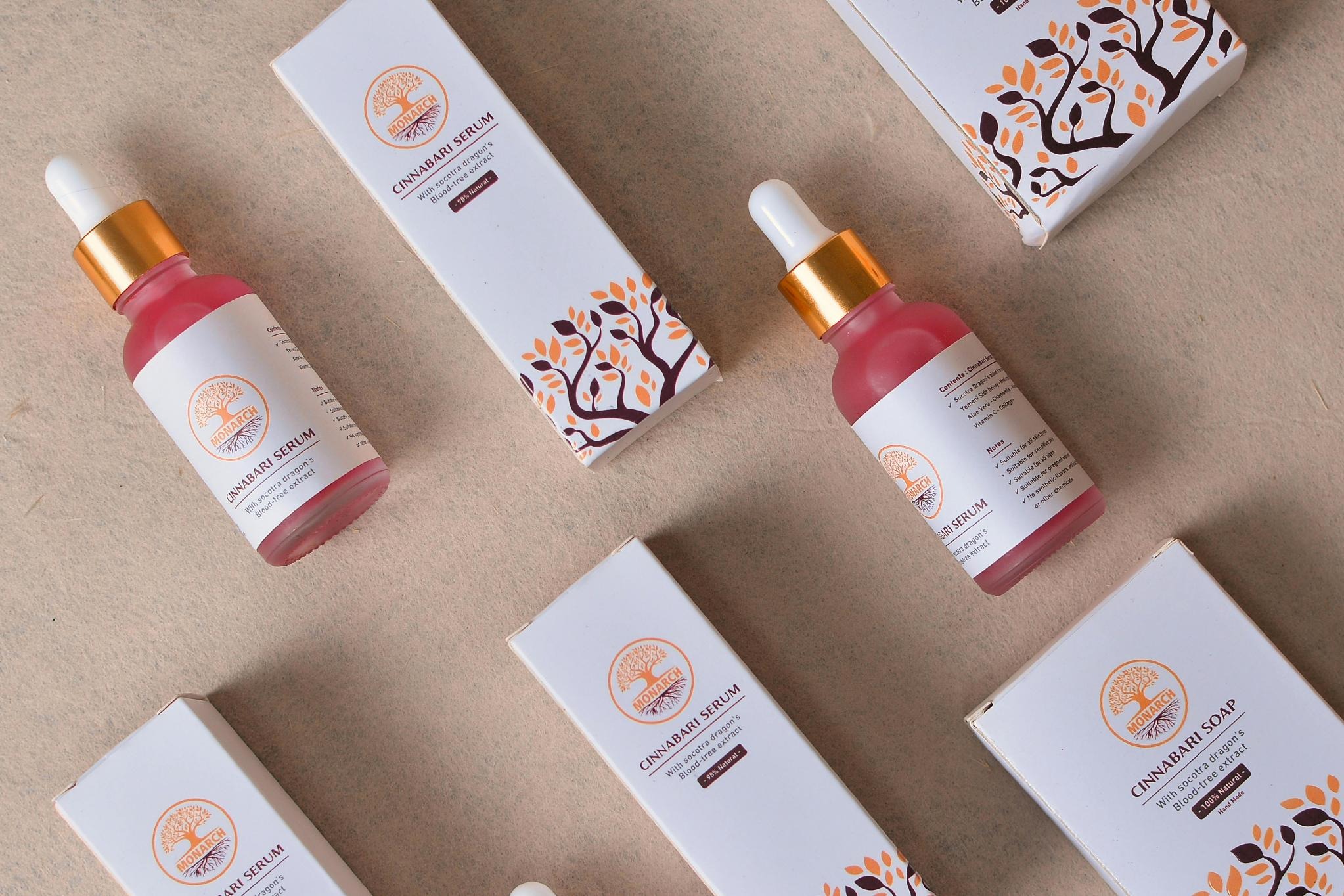
Product packaging plays a far greater role in consumer decision-making than many businesses initially realize. While the quality of a product remains essential, the way it is presented can influence how it is perceived, remembered, and ultimately purchased. Packaging serves as the first interaction a customer has with a product, shaping expectations before it is even used.
In competitive markets, even small differences in presentation can determine which product stands out on a crowded shelf or in an online listing. Thoughtful packaging is not just about protecting a product. It is a strategic tool that can directly impact sales, brand recognition, and customer loyalty.
Enhancing Product Protection and Value
Beyond aesthetics, packaging must effectively protect the product. Damaged goods can lead to negative customer experiences and lost sales. Secure and durable packaging ensures that products arrive in excellent condition, whether they are displayed in stores or shipped directly to consumers.
High-quality packaging can also elevate the perceived value of a product. When an item is well-protected and thoughtfully presented, it feels more premium. This can justify higher price points and create a more satisfying experience for the customer.
Using reliable tools such as bag sealers helps ensure that packaging remains secure and tamper-resistant. Proper sealing not only protects the contents but also reassures customers that the product is fresh and safe to use.
Improving Shelf Presence and Visibility
In retail environments, products compete for attention in a limited amount of space. Packaging that stands out visually can draw the eye and encourage customers to take a closer look. Unique shapes, bold graphics, and clear labeling can all contribute to stronger shelf presence.
Clarity is key when it comes to communication. Customers should be able to quickly understand what the product is and why it is beneficial. Packaging that clearly conveys this information helps eliminate confusion and speeds up the decision-making process.
Even subtle design choices can make a difference. Elements such as typography, spacing, and imagery all influence how a product is perceived in comparison to others. Well-executed packaging can turn a casual glance into a purchase.
Supporting Convenience and Usability
Packaging that is easy to use adds value to the overall customer experience. Features such as resealable openings, easy-to-open designs, and compact storage options make products more convenient. When customers find packaging practical and user-friendly, they are more likely to develop a positive impression of the brand.
Convenience also plays a role in repeat purchases. If a product is easy to store and use, customers are more likely to choose it again over alternatives that may be less practical. This creates a long-term benefit that extends beyond the initial sale.
Strengthening Brand Identity
Packaging is a powerful branding tool that communicates a company’s values and personality. Every element, from color schemes to materials, contributes to how a brand is perceived. Consistent and recognizable packaging helps build a strong identity that customers can trust.
Storytelling can also be incorporated into packaging design. Sharing information about the product’s origin, purpose, or benefits creates a deeper connection with customers. This emotional engagement can make a product more memorable and meaningful.
Encouraging Impulse Purchases
Attractive packaging can influence impulse buying behavior, especially in retail settings. Products that catch the eye and create immediate interest are more likely to be picked up and purchased without prior planning. This is particularly important in industries where quick decisions are common.
Limited edition designs or seasonal packaging can further enhance this effect. These variations create a sense of urgency and exclusivity, encouraging customers to act quickly. Even small changes in design can refresh a product’s appeal and attract new attention.
Supporting Sustainability and Consumer Preferences
Modern consumers are increasingly aware of environmental concerns, and packaging plays a role in meeting these expectations. Sustainable materials and eco-friendly designs can influence purchasing decisions, particularly among environmentally conscious buyers.
Reducing excess packaging and using recyclable materials demonstrates a commitment to responsible practices. This can enhance brand reputation and appeal to a broader audience. Transparency about these efforts builds trust and encourages customer loyalty.
Balancing sustainability with functionality is important. Packaging must still provide adequate protection while meeting environmental standards. Achieving this balance can set a brand apart in a competitive market.
Conclusion
Packaging is far more than a protective layer around a product. It is a powerful tool that influences perception, enhances usability, and drives purchasing decisions. From creating strong first impressions to supporting long-term brand loyalty, thoughtful packaging design has a direct impact on sales performance.
By focusing on both form and function, businesses can create packaging that not only protects their products but also elevates them in the eyes of consumers. In an increasingly competitive marketplace, investing in effective packaging strategies can lead to meaningful and lasting growth.