
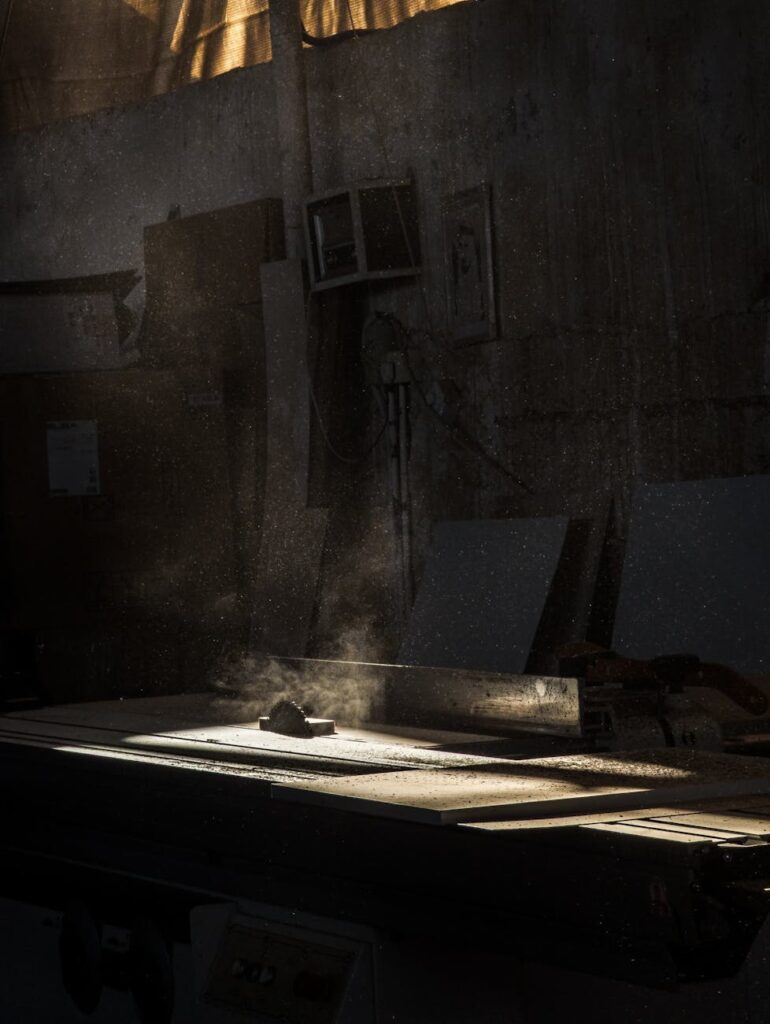
Many workplaces appear clean on the surface, yet the air inside can tell a very different story. Even in well-organized environments, invisible particles and fumes often circulate without being noticed. Over time, these airborne contaminants can affect comfort, health, and overall workspace safety.
Understanding what is actually present in the air is an important step toward improving indoor conditions. From fine dust to chemical vapors, workplace air can contain a range of substances that impact both people and processes. Gaining awareness of these elements helps businesses make informed decisions about protection and prevention.
Common Types of Airborne Particles
One of the most common airborne contaminants found in workplaces is dust. Dust particles can come from materials like wood, plastic, fabric, or metal, and many are small enough to remain suspended in the air for long periods. These fine particles are easily inhaled and often go unnoticed until irritation or buildup becomes a problem.
Beyond visible dust, microscopic particles are often the greater concern. These particles may result from cutting, sanding, grinding, or engraving processes. Because they are not easily seen, they tend to be underestimated despite their potential impact on air quality.
Fumes and Gases in the Workplace
In addition to solid particles, many work environments generate fumes and gases during daily operations. Processes involving heat, chemicals, or adhesives can release vapors that spread quickly throughout a space. Even short exposure can create unpleasant odors or discomfort when ventilation is insufficient.
Some fumes are byproducts of combustion or high-powered equipment and may contain compounds that are harmful when inhaled repeatedly. Without proper air management, these gases can accumulate, leading to long-term exposure concerns for workers who spend hours in the same environment.
How Particles and Fumes Travel Indoors
Airborne contaminants rarely stay confined to one area. Once released, particles and fumes move with air currents created by ventilation systems, open doors, or even foot traffic. This means a process performed in one corner of a workspace can affect air quality throughout the entire facility.
Because smaller particles remain airborne longer, they are particularly difficult to control without targeted solutions. They can settle on surfaces, equipment, and finished products after gradually circulating through the space. Understanding how movement occurs helps highlight the importance of proper airflow and filtration.
Health Effects of Ongoing Exposure
Regular exposure to airborne particles and fumes can lead to a range of health concerns. Immediate symptoms may include headaches, eye irritation, coughing, or difficulty concentrating during the workday. These issues can reduce productivity and increase fatigue over time.
Long-term exposure presents additional risks, especially in environments where air quality is not actively managed. Breathing in fine particles or chemical vapors over months or years can contribute to respiratory discomfort and chronic conditions. Maintaining clean air is a key part of creating a healthier workplace.
Impact on Equipment and Work Quality
Airborne contaminants not only affect people. Dust and particles can interfere with machinery by settling on sensitive components and moving parts. This buildup may lead to decreased performance, increased maintenance needs, or unexpected downtime.
Work quality can also suffer as particles settle on materials during production or finishing stages. In precision-based processes, even minor contamination can cause visible flaws or inconsistencies. Cleaner air helps support consistent results and protects both equipment and output.
Managing Air Quality in Specialized Workspaces
Different workplaces require different approaches to air quality management. Creative and industrial environments often benefit from specialized filtration and extraction systems designed to handle specific contaminants. General ventilation alone may not be sufficient for processes that generate concentrated particles or fumes.
For example, environments that use laser-based tools often rely on equipment such as an air purifier for laser engraving to capture fine particles and fumes at the source. These systems help reduce airborne contaminants before they spread, supporting safer and more controlled conditions overall.
Conclusion
Workplace air often contains far more than meets the eye. Particles, fumes, and gases can circulate quietly, affecting health, equipment, and productivity over time. By understanding what is really in the air and taking steps to manage it, businesses can create safer, cleaner, and more efficient work environments for everyone involved.