
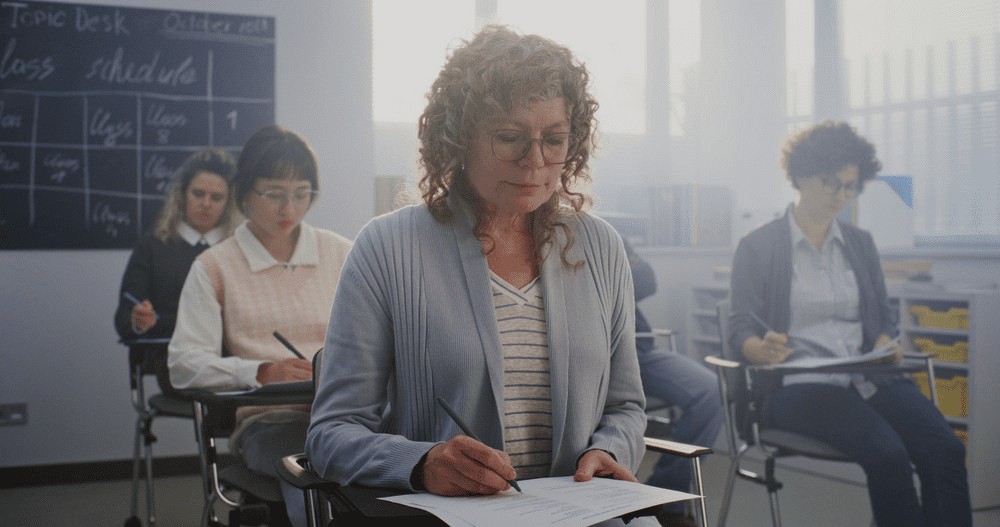
The modern employment landscape is shifting at an unprecedented speed, driven by automation, artificial intelligence, and evolving economic demands. Careers no longer follow a predictable, linear path where a single degree or early apprenticeship carries a professional through to retirement. Today, adaptability has become the ultimate career currency. Embracing continuous education is no longer an optional resume booster; it’s a vital prerequisite for survival and success. By committing to ongoing education, professionals safeguard their career resilience while fostering meaningful personal growth that enriches their perspective, adaptability, and everyday engagement with the world around them.
The Depth and Rigor of Modern Tradecraft
A common misconception about professional training is that technical and vocational careers require only brief upfront preparation. In reality, mastering a hands-on specialty demands relentless, structured training that mirrors the stamina needed for academic professions. According to Ohio Business College, training to become an electrician requires nearly eight years of combined classroom education and hands-on apprenticeship, rivaling the total time invested in medical school.
This lengthy commitment illustrates that technical mastery is never a quick hurdle to clear. Technologies evolve, building codes update, renewable energy systems integrate into existing infrastructure, and smart automation enters everyday installations. Tradespeople who stop reading schematics or mastering new electrical standards quickly fall behind. The discipline to keep learning long after entering the field is what transforms a novice into a master technician, proving that lifelong skill development is just as crucial in the field as it’s in a corporate boardroom.
Balancing Responsibilities and Continuous Education
For mid-career professionals, one of the greatest obstacles to pursuing new skills is finding the time and mental bandwidth amidst mounting family obligations. Developing new expertise requires consistent space in daily schedules, which is often difficult for parents balancing work and home life. According to Zippia, roughly 6.38 million American working parents—representing about 56%—depend on preschool programs and day care facilities to help balance their professional and caregiving roles.
When family infrastructure supports working adults, it frees up critical capacity to invest in upskilling. Learning throughout adulthood doesn’t require enrolling in a multi-year degree program; it can take the form of specialized industry certifications, evening technical seminars, or self-paced coding modules. Taking small, consistent steps to broaden capabilities prevents career stagnation. More importantly, it turns learning into a household value. When parents actively engage in their own education, they model adaptability and curiosity for the next generation, showing that professional development is an enduring habit rather than a temporary stage of youth.
Cultivating Soft Skills and Human Connection
While technical skills and automated tools dominate discussions about the future of work, interpersonal competencies remain distinctly human. Technical proficiency may open doors, but empathy, communication, and emotional resilience sustain leadership over decades. A balanced approach to continuous development extends beyond industry manuals into the humanities, creative pursuits, and behavioral sciences.
According to The Washington Post, research published in 2020 demonstrated that musical engagement enhances attentive listening, collaborative teamwork, and mutual trust across people of all age groups. Exploring creative disciplines rewires how we process information, read nonverbal cues, and collaborate with diverse teammates. When professionals step out of their narrow operational routines to study creative arts, psychology, or collaborative communication, they refine their ability to build cohesive, high-performing teams. These durable interpersonal competencies resist automation and become sharper with every new endeavor.
Adapting to the Unpredictable Future
Committing to ongoing learning changes how an individual responds to industry disruption. Instead of viewing structural changes, technological advancements, or organizational restructuring with apprehension, continuous learners approach shifting markets with curiosity and confidence. They recognize that their professional identity is defined by their capacity to master new domains rather than a fixed, static job title. This mindset reduces career anxiety and opens up lateral pathways into emerging fields that didn’t even exist a decade ago.
Ultimately, the commitment to lifelong education is an active investment in your future autonomy. Thriving in an unpredictable job market requires blending rigorous technical competence, creative collaboration, and practical time management. When individuals view every challenge as a learning opportunity, they build durable resilience. Continuous education sustains professional relevance and drives lifelong personal growth, ensuring that workers don’t just weather the tides of workplace change but actively lead the way forward.