
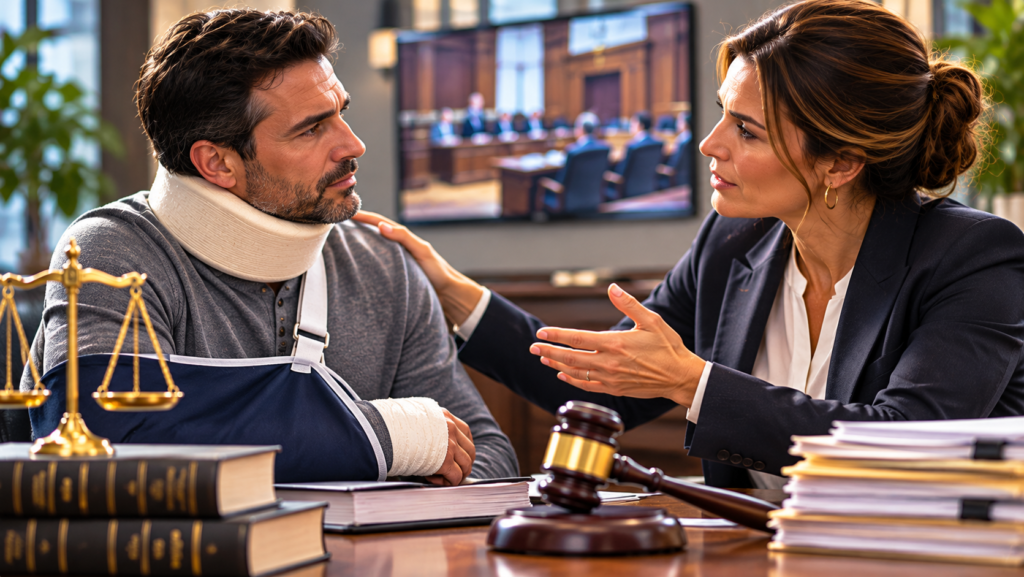
A serious workplace injury can instantly disrupt income, medical care, and family responsibilities. Workers’ compensation often covers part of the loss, but it does not resolve every dispute or provide every form of recovery. When employers, insurers, and third parties are involved, separate legal issues might arise. These matters also require careful investigation. Seriously injured clients need counsel that treats the case as an active legal matter, not a routine claim. That approach starts with examining what happened and who bears responsibility.
A workplace injury claim can involve payroll records, safety rules, medical evidence, witness accounts, and insurance communications. Each detail can affect deadlines, available benefits, and the value of a potential settlement. Injured parties seeking guidance from reputable firms like Diaz Law Firm personal injury lawyers need counsel that reviews the full record, explains each legal path, and prepares for disputes before they become harder to resolve. This level of preparation gives an injured worker confidence in their decisions.
Workers’ Compensation Does Not Always End the Analysis
Workers’ compensation generally addresses medical treatment and wage-related benefits after an on-the-job injury. The system also follows specific reporting procedures, filing deadlines, and benefit rules. An employer or insurer can dispute one or more of the following:
- Whether the injury occurred at work
- Whether treatment is necessary
- Whether the worker remains unable to perform the job
A separate claim can exist when another party caused or contributed to the injury. A defective machine, unsafe property, negligent driver, or subcontractor can raise questions beyond the workers’ compensation process. A lawyer must identify every responsible party before a client accepts a limited resolution.
Serious Injuries Require Detailed Evidence
A serious injury often creates losses that appear gradually. Surgery, rehabilitation, medication, reduced earning capacity, and permanent restrictions can shape a claim long after the accident date. Medical records must connect the injury to the incident and explain how it affects work and daily activities.
The investigation should also preserve evidence before it disappears. Relevant material can include incident reports, equipment records, inspection logs, photographs, video footage, and statements from coworkers. Early action matters because a business can replace equipment, overwrite recordings, or change operating procedures.
- Medical Proof and Future Losses
A diagnosis alone does not establish the full financial impact of an injury. Treating professionals can document expected care, physical limitations, and the effects of those limitations on employment. Financial records can then support lost wages and reduced future earnings.
This evidence helps separate immediate bills from long-term losses. It also gives the client a clearer basis for evaluating a settlement that must cover continuing care.
Trial Preparation Changes Settlement Discussions
Insurers assess risk through the evidence available to them. A demand supported by organized records, witness testimony, medical opinions, and a clear liability theory creates a more reliable basis for negotiation. Trial preparation also helps the case move away from broad claims about hardship.
A trial-ready lawyer examines weaknesses as well as favorable facts. That review can expose inconsistent statements, disputed medical causes, comparative fault arguments, or gaps in proof. Identifying those issues early allows the legal team to address them before mediation, depositions, or trial.
Preparation does not mean every case goes to trial. It means the client can evaluate settlement terms with a clear view of the evidence and the risks. An insurer also understands that delays or a low offer will not automatically end the dispute.
Direct Guidance Protects the Client’s Position
After a serious injury, the client often receives calls, forms, and settlement proposals while managing treatment. Statements made to an insurer can affect the claim, even when the client intends only to answer basic questions. Legal guidance helps control communications and preserve accurate evidence.
A lawyer also tracks deadlines and coordinates the claim with medical care, wage documentation, and other proceedings. That coordination reduces avoidable errors. Clients receive practical advice about records, social media, examinations, and settlement decisions.
Conclusion
Seriously injured workers need legal help that connects medical proof, employment records, insurance rules, and third-party responsibility. A hands-on lawyer investigates early, challenges incomplete evaluations, and prepares the evidence required for negotiation or trial.
Injured workers should gather accident reports, medical records, wage information, and insurer communications before meeting with counsel. A prompt case review can identify deadlines, preserve important evidence, and show whether workers’ compensation is only part of the available recovery.