
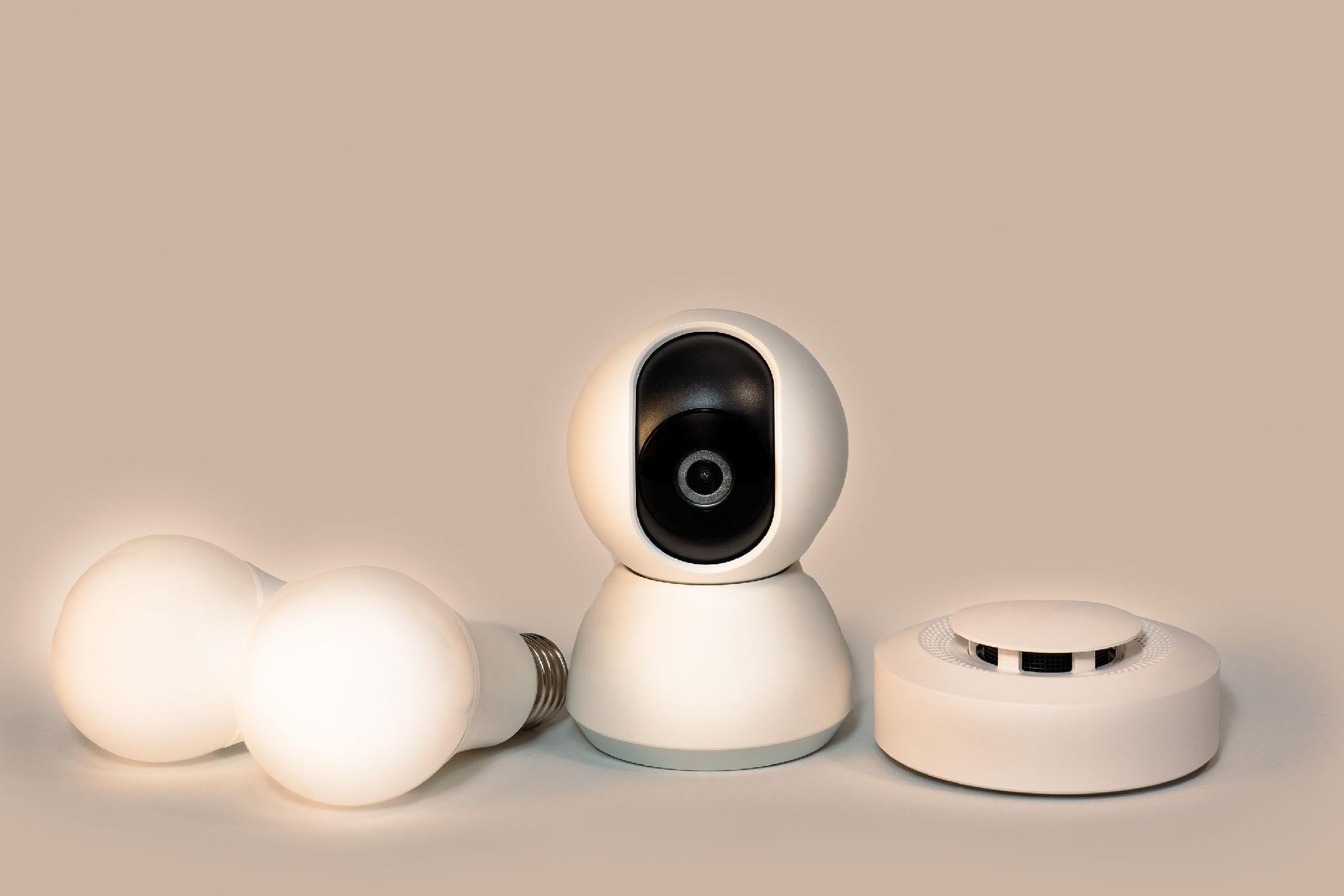
Protecting your home starts with preparation, and one of the most important safety devices you can have is a reliable smoke alarm. These small but essential devices provide early warning during a fire, giving occupants valuable time to evacuate and contact emergency services. With so many options available today, choosing the right model can feel overwhelming. Understanding the different types, features, and placement recommendations can help homeowners make informed decisions and create a safer living environment.
Understanding the Different Types of Smoke Detectors
Not all smoke detectors work the same way. The two most common technologies are ionization and photoelectric detection.
Ionization alarms are generally more responsive to fast-flaming fires, while photoelectric alarms are often better at detecting slow, smoldering fires. Because both types offer unique advantages, many homeowners choose dual-sensor units that incorporate both technologies into a single device.
Another option is interconnected systems. These alarms communicate with one another so that when one detects smoke, all alarms throughout the home sound simultaneously. This feature can be especially valuable in larger homes where a fire may start far from bedrooms or living areas.
Understanding these differences is often the first step in selecting the right protection for your household.
Consider the Size and Layout of Your Home
The ideal alarm setup depends largely on your home’s design. A small apartment may require fewer units than a multi-level residence with several bedrooms and living spaces.
Experts generally recommend installing smoke alarms inside every bedroom, outside sleeping areas, and on every level of the home. Additional units may be necessary in hallways, basements, and other frequently used spaces.
When evaluating smoke detectors, consider how alarms will work together to provide complete coverage. Choosing devices that offer interconnected functionality can significantly improve protection throughout the property.
Proper placement is just as important as selecting the right device. Even the most advanced alarm cannot provide effective warning if installed in the wrong location.
Battery-Powered vs. Hardwired Models
Homeowners typically choose between battery-powered and hardwired systems.
Battery-powered alarms are relatively easy to install and can be placed in locations where electrical wiring may not be available. They are often a practical solution for existing homes and apartments.
Hardwired systems connect directly to the home’s electrical network and typically include battery backup protection during power outages. Because they are linked to household power, they require less concern about battery failure, though routine testing remains essential.
Each option can provide reliable fire detection when properly maintained. The best choice often depends on your home’s infrastructure, budget, and long-term maintenance preferences.
Look for Features That Improve Safety and Convenience
Modern smoke alarms offer a variety of features beyond basic fire detection. Some models include voice alerts that identify the location of danger, helping occupants respond more effectively during an emergency.
Smart technology has also become increasingly popular. Certain alarms can send notifications to mobile devices, allowing homeowners to monitor alerts even while away from home.
Ease of maintenance is another important consideration. Features such as sealed 10-year batteries reduce the need for frequent battery replacements and help ensure continuous operation.
When comparing products, many consumers research the best smoke detector options that combine reliability, ease of use, and advanced safety capabilities. The right balance of features can make a significant difference in both convenience and protection.
Maintenance Matters as Much as Selection
Even the highest-quality smoke alarms require routine attention. Testing alarms monthly, replacing batteries when needed, and keeping units clean can help maintain dependable performance.
Dust, insects, and debris can interfere with sensors over time. Regular inspections ensure that alarms remain in proper working condition and continue providing effective warning when needed.
Homeowners should also be aware that most smoke alarms have a recommended lifespan of approximately 10 years. Replacing aging units on schedule helps maintain reliable fire detection and ensures compliance with current safety standards.
A strong maintenance routine is essential for maximizing the value and effectiveness of your fire safety system.
Conclusion
Choosing the right smoke alarm involves more than simply purchasing the first model available. Understanding different detection technologies, evaluating your home’s layout, selecting the appropriate power source, and considering modern safety features can help you make the best decision for your household. Combined with proper installation and regular maintenance, quality smoke alarms provide dependable protection and peace of mind for years to come.