

Key Takeaways
- Experiential marketing creates memorable, immersive experiences that enhance consumer engagement.
- Successful campaigns often leverage emotional connections, personalization, and sensory engagement.
- Integrating digital elements, such as augmented reality, can amplify the impact of experiential marketing.
- Measuring the success of these campaigns involves analyzing metrics like dwell time, social media engagement, and brand recall.
In today’s crowded marketing landscape, brands are constantly seeking creative ways to build lasting connections with their target audiences. One of the most compelling approaches rising in popularity is experiential marketing. Unlike static digital or print ads, experiential campaigns deliver immersive, interactive experiences that foster brand affinity and genuine loyalty. As more companies seek to engage modern consumers, agencies like Assist Marketing are paving the way in designing unforgettable brand experiences that capture attention and encourage participation.
Experiential marketing stands out because it puts the consumer at the center of the story, turning them from passive viewers into active participants. When audiences are invited to taste, touch, explore, or co-create with a brand, the emotional resonance and memory of the event can lead to lasting relationships beyond a single transaction. As competition intensifies, brands that invest in creative and personal experiences are setting new standards for engagement and advocacy.
Ultimately, this style of marketing doesn’t just aim for a quick sale; it seeks to immerse consumers in a brand universe, sparking emotions and conversations long after the event ends. Companies embracing experiential strategies are leading the charge in creating more meaningful relationships with their customers—an essential factor for long-term loyalty and word-of-mouth growth.
Not only do experiential campaigns leave a stronger impression than traditional advertising, but they also lend themselves to organic sharing on social media platforms, further amplifying reach and impact.
Understanding Experiential Marketing
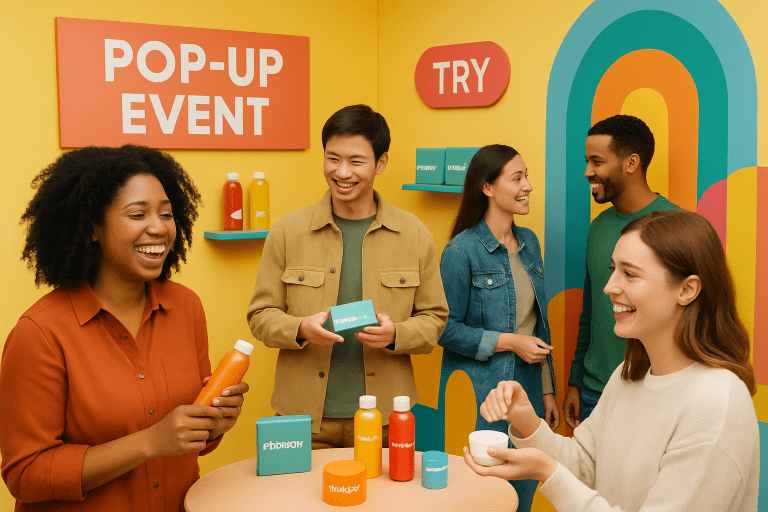
Experiential marketing, also known as engagement marketing, prioritizes consumers’ active participation in brand experiences. According to Business News Daily, this approach moves beyond passive ad consumption by placing the consumer at the core of the action. People are invited to interact with a brand in fresh and unexpected ways, increasing the likelihood of positive associations and future purchases. Whether through pop-up installations, product demos, live events, or creative contests, engagement is driven by shared experiences that leave a lasting impression.
Leveraging Sensory Engagement
Engaging multiple senses strengthens the experience and sets the groundwork for more vivid brand memories. For instance, pop-up shops and interactive installations that invite visitors to touch, smell, see, and even taste a product generally drive more conversation and enthusiasm. Sensory cues have a powerful impact, making the overall experience not just entertaining but also emotionally resonant. This multi-sensory approach is efficient at drawing crowds and further distinguishing a brand in a saturated market.
Integrating Digital Elements
The digital transformation of experiential marketing provides brands with new tools to intensify customer engagement. Augmented reality (AR), for example, not only entertains but also helps customers make smarter buying decisions. Digital elements like gamification and AI-driven recommendations can extend the physical experience into the digital world, thereby broadening reach and accessibility for consumers who cannot attend live events.
Measuring Success
Quantifying the impact of experiential campaigns requires focusing on metrics that accurately reflect consumer engagement and brand resonance. Beyond surface-level numbers, metrics like dwell time at installations reveal how effectively a campaign holds attention. At the same time, social media mentions and shares indicate organic buzz and peer-to-peer influence. User-generated content, such as photos, reviews, and videos, provides authentic insight into how audiences perceive and interact with the brand. Additionally, tracking changes in brand recall and favorability allows marketers to measure the long-term influence of these immersive experiences.
Brands that emphasize experiential engagement often see measurable improvements across multiple KPIs. For example, customer retention rates for companies using hands-on campaigns can double those of companies relying solely on traditional advertising channels. Similarly, engagement-driven campaigns tend to generate higher purchase intent and conversion rates, as participants are emotionally invested in the experience. By systematically analyzing these indicators, marketers can identify which elements resonate most, refine their strategies, and design future campaigns that are even more compelling.
Conclusion
In an era defined by digital saturation and fleeting consumer attention, experiential marketing has emerged as a critical differentiator. Its strength lies in creating immersive, tailored experiences that evoke emotion and foster genuine connections. When executed thoughtfully, these campaigns transform brief interactions into lasting impressions, increasing loyalty and brand advocacy.
Collaboration with specialized experiential agencies further amplifies campaign impact. These partnerships bring expertise in storytelling, event logistics, and interactive design, ensuring campaigns not only capture attention but also drive meaningful participation. Ultimately, brands that invest in experiential marketing are better positioned to leave a lasting mark on consumers, transforming engagement into long-term relationships and measurable business growth.