
Introduction
International trade is a fundamental part of the global economy, enabling countries to exchange goods, services, and resources across borders. It allows nations to access products they cannot efficiently produce themselves while expanding markets for domestic industries. From raw materials to finished goods, nearly every aspect of daily life is influenced by international trade in some form.
While the concept may seem straightforward, the business of international trade involves a complex system of logistics, regulations, financial arrangements, and global partnerships. Understanding how these elements work together provides a clearer picture of how goods move around the world and how businesses succeed in a competitive global environment.
Understanding Imports and Exports
At its core, international trade revolves around imports and exports. Exports are goods and services sold by one country to another, while imports are items brought into a country from abroad. Businesses that engage in exporting seek to expand their reach beyond domestic markets, increasing revenue opportunities and diversifying their customer base.
Importing, on the other hand, allows businesses to source materials or products at competitive prices or access items that are not available locally. For example, a company may import specialized components to manufacture a finished product domestically.
Balancing imports and exports is important for maintaining a country’s economic stability. Governments often track this balance through trade reports, which provide insight into economic health and global competitiveness.
Logistics and Supply Chain Management
One of the most critical aspects of international trade is logistics. Moving goods across countries and continents requires detailed coordination, including transportation, warehousing, and customs clearance. Whether products are shipped by sea, air, or land, efficiency in logistics can significantly impact costs and delivery times.
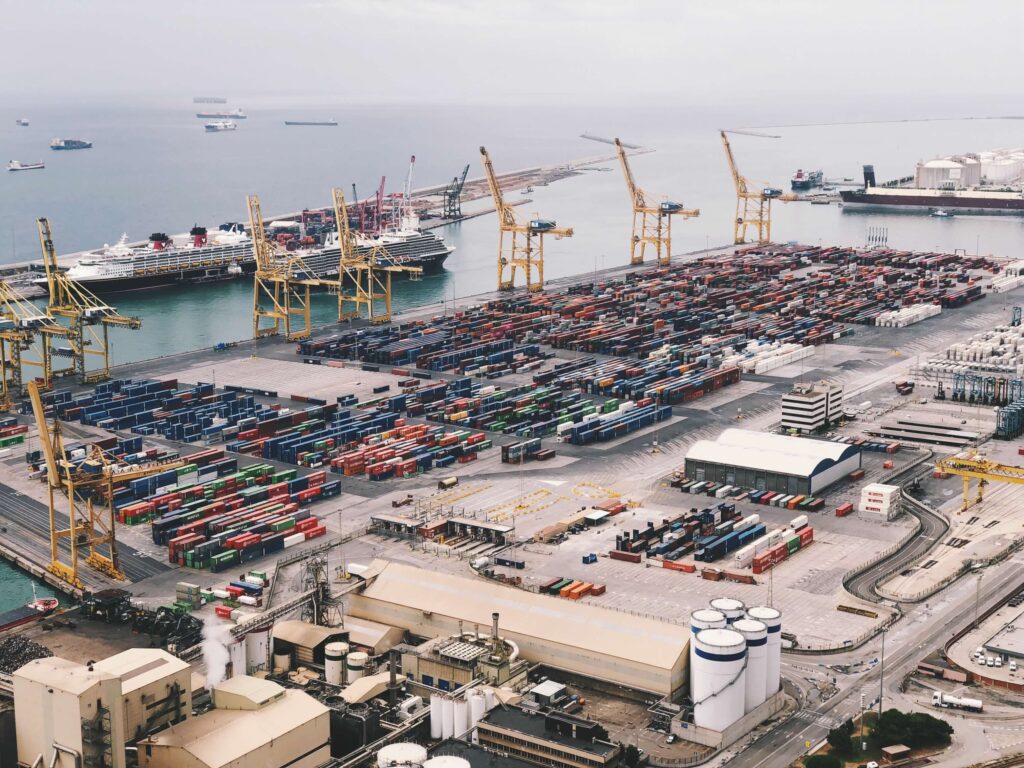
Shipping is particularly important in global trade, with a large portion of goods transported by ocean freight. Ports, shipping companies, and freight forwarders all play a role in ensuring that products reach their destinations safely and on time. Businesses rely on advanced tools and data to track shipments and manage their supply chains effectively.
For example, companies often use maritime business intelligence to monitor shipping routes, analyze port activity, and predict potential delays. This type of insight helps businesses make informed decisions, reduce risks, and improve overall efficiency in their operations.
Trade Regulations and Compliance
International trade is governed by a wide range of regulations designed to ensure fairness, safety, and legal compliance. These regulations vary from country to country and can include tariffs, quotas, and import restrictions. Understanding these rules is essential for businesses that want to operate successfully in global markets.
Tariffs, which are taxes on imported goods, can affect pricing and competitiveness. Quotas may limit the quantity of certain products that can be imported, while other regulations focus on product standards, safety requirements, and environmental considerations.
Compliance also involves proper documentation, such as invoices, certificates of origin, and shipping manifests. Failing to meet these requirements can result in delays, fines, or even the rejection of goods at the border. Businesses often work with customs brokers and legal experts to navigate these complexities.
Currency Exchange and Financial Considerations
Financial management is another key component of international trade. Transactions between countries often involve different currencies, which introduces the challenge of exchange rate fluctuations. These fluctuations can impact the cost of goods and overall profitability.
To manage these risks, businesses may use financial tools such as forward contracts or currency hedging. These strategies help stabilize costs and protect against sudden changes in exchange rates. Payment methods also play an important role, with options such as letters of credit providing security for both buyers and sellers.
In addition to currency considerations, businesses must account for duties, taxes, and transportation costs. Careful financial planning ensures that international trade operations remain profitable and sustainable over time.
Building Global Partnerships and Market Knowledge
Successful international trade depends heavily on relationships and market understanding. Businesses must establish reliable partnerships with suppliers, distributors, and logistics providers in different regions. These partnerships help ensure smooth operations and build trust across borders.
Market knowledge is equally important. Consumer preferences, cultural differences, and economic conditions can vary widely between countries. What works in one market may not be successful in another, so businesses must adapt their strategies accordingly.
Conducting market research, understanding local regulations, and tailoring products to meet regional demands can significantly improve the chances of success. Companies that invest in building strong relationships and gaining local insights are better positioned to thrive in the global marketplace.
Conclusion
The business of international trade is a dynamic and multifaceted system that connects economies around the world. From managing logistics and complying with regulations to navigating financial challenges and building partnerships, each element plays a vital role in successful global operations.
By understanding these components and adapting to the complexities of international markets, businesses can unlock new opportunities and drive growth. In an increasingly interconnected world, international trade remains a powerful force that shapes industries, economies, and everyday life.