
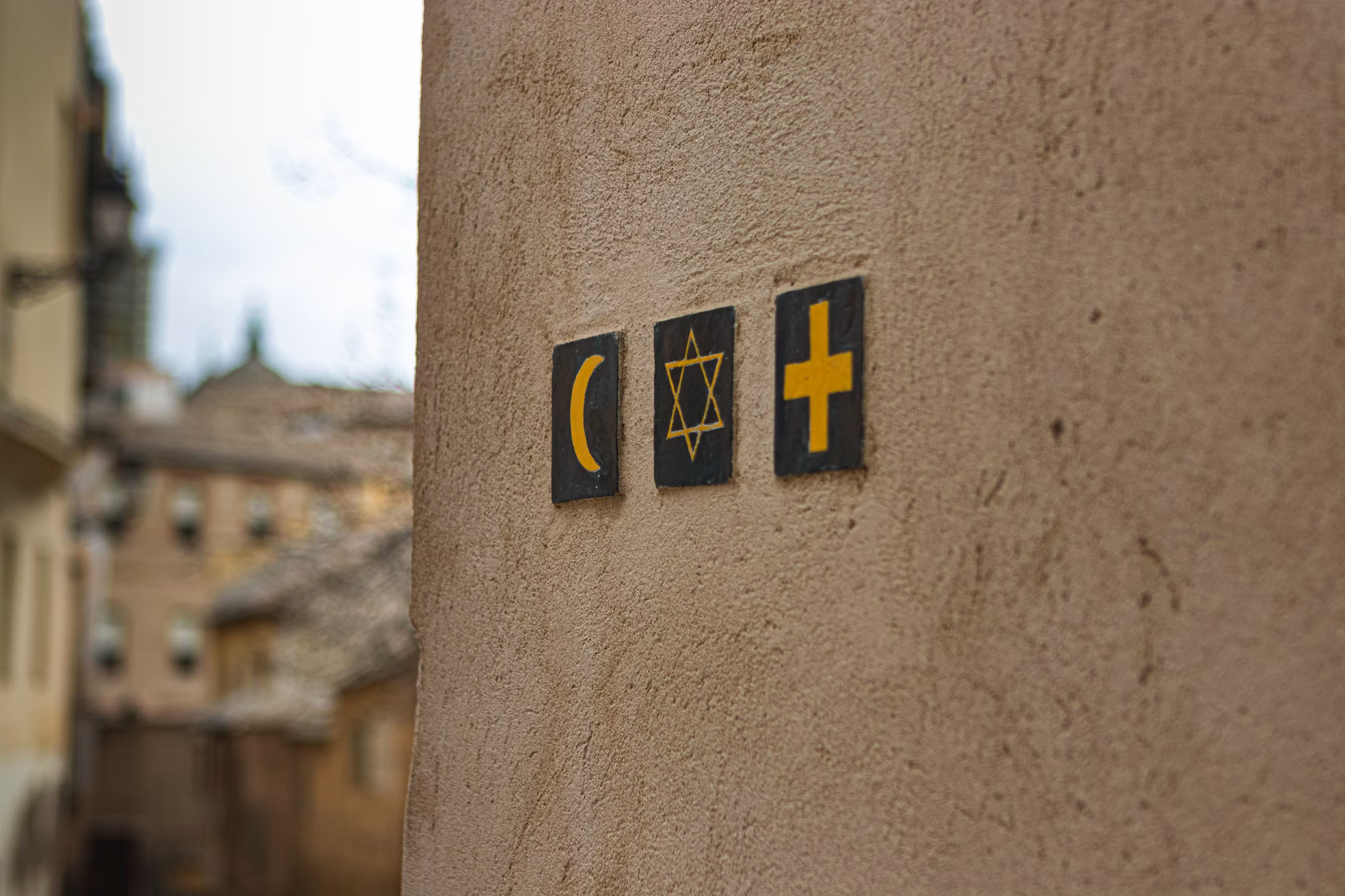
Festivals bring people together in a way that few other events can. Every celebration tells a story. Some festivals have deep religious roots, while others celebrate history, culture, nature, or the changing of seasons. No matter where you live, festivals give you a chance to connect with family, friends, and your community.
The world is home to hundreds of festivals, but a few stand out because millions of people celebrate them every year. These occasions cross borders and bring joy to people from different cultures and backgrounds.
Christmas
Christmas is one of the most widely celebrated festivals in the world. Christians celebrate the birth of Jesus Christ on December 25, but the festival has also become a cultural celebration in many countries.
Families usually decorate Christmas trees, exchange gifts, and enjoy special meals together. Streets, homes, and public places shine with colorful lights and festive decorations. Children often look forward to the arrival of Santa Claus, who has become a beloved symbol of Christmas.
For many people, Christmas is more than gifts and decorations. The festival reminds them to show kindness, spend time with loved ones, and help those in need.
Diwali
Diwali, also known as the Festival of Lights, is one of the most important festivals in India and among Hindu communities around the world. The celebration also holds special meaning for Jains, Sikhs, and some Buddhists.
Homes are cleaned and decorated with oil lamps, candles, and colorful rangoli designs. Families prepare sweets, exchange gifts, and gather for prayers. Fireworks also light up the night sky in many places.
The festival represents the victory of light over darkness and good over evil. For many families, Diwali also marks a fresh beginning filled with hope and happiness.
Eid al-Fitr
Eid al-Fitr marks the end of the holy month of Ramadan. Muslims around the world celebrate this joyful festival after a month of fasting, prayer, and reflection.
The day often begins with a special congregational prayer. Families wear new clothes, visit relatives, share meals, and give gifts to children. Many people also donate to those in need so everyone can enjoy the celebration.
The spirit of Eid is built on gratitude, generosity, and togetherness. Every gathering becomes a chance to strengthen relationships and share happiness.
Chinese New Year
Chinese New Year, also called the Lunar New Year or Spring Festival, is one of the biggest celebrations in Asia. Millions of people welcome the new year according to the traditional lunar calendar.
Families clean their homes before the festival to symbolize a fresh start. Red decorations appear everywhere because the color is believed to bring good fortune. Reunion dinners, fireworks, dragon dances, and lion dances create a lively atmosphere.
The festival places great importance on family. Many people travel long distances just to celebrate with their loved ones.
Easter
Easter is one of the most important Christian festivals. The celebration remembers the resurrection of Jesus Christ and represents hope, faith, and new life.
Church services play an important role during Easter. Families also enjoy festive meals and take part in traditions such as decorating Easter eggs and organizing egg hunts for children.
Many communities see Easter as a time for renewal. The arrival of spring in many parts of the world also adds to the joyful mood.
Hanukkah
Hanukkah, also known as the Festival of Lights, is celebrated by Jewish communities around the world. The festival lasts for eight days and remembers the re-dedication of the Second Temple in Jerusalem.
Families light the menorah each evening, adding one candle every night. Traditional foods, games, songs, and family gatherings are an important part of the celebration.
The festival reminds people of faith, perseverance, and hope even during difficult times.
Holi
Holi is one of India’s most colorful festivals. People celebrate the arrival of spring and the victory of good over evil.
Friends and families gather outdoors to throw colorful powders and splash water on one another. Music, dancing, and festive foods create a cheerful atmosphere throughout the day.
The celebration breaks down social barriers for a while. People laugh together, forgive past disagreements, and welcome new friendships.
Thanksgiving
Thanksgiving is mainly celebrated in the United States and Canada. Families gather to express gratitude for the blessings of the past year.
A traditional meal often includes turkey, stuffing, vegetables, and desserts such as pumpkin pie. Many families also share stories, watch parades, or enjoy sports together.
The festival reminds people to appreciate what they have and spend meaningful time with those they love.
Vesak
Vesak is one of the most important Buddhist festivals. The day honors the birth, enlightenment, and passing of Gautama Buddha.
Buddhist temples welcome visitors for prayers, meditation, and acts of kindness. Many people offer food to monks, light lanterns, and perform charitable activities.
The festival encourages compassion, peace, and mindfulness in everyday life.
Carnival
Carnival is celebrated in many countries before the Christian season of Lent. Some of the most famous celebrations take place in Brazil, Italy, and several Caribbean nations.
Colorful costumes, lively parades, music, and dancing fill the streets for several days. Every city adds its own traditions, making each Carnival unique.
The festival creates an atmosphere of excitement where communities come together to celebrate life, creativity, and local culture.
Every festival carries its own traditions, beliefs, and history. At the same time, many celebrations share common values that connect people across cultures.