
TLDR: Leading a team across Morocco, Dubai, and the United States taught me there is no single right way to manage people. The same instruction that frees one person freezes another. The job is to read where each person actually is, give them exactly the direction they need, and back off as fast as they can carry the weight, which is harder when you only see them through a screen.
I run a distributed team across three countries and a six-hour spread of time zones. For a long time, I led everyone the same way, because that felt fair. It was not fair. It was lazy. A new hire in Casablanca needed me to walk her through her first deliverables step by step. A senior strategist in California needed me to get out of his way. I gave both the same thing, and I was wrong with both.

The framework that fixed this for me is older than I am. Situational leadership says your style should change based on the readiness of the person in front of you, not your mood or your habit. There are roughly four modes:
- Directing for someone new to the task: close, specific instruction.
- Coaching as they gain skill: explain the why, ask for their thinking.
- Supporting once they are capable: stay available, stop initiating.
- Delegating when they are ready: hand over the decision and step away.
The skill is matching the mode to the moment, and in a remote setting, that gets harder, because the signals you would read in a hallway are gone.
Why hybrid teams break the default leadership style
In an office, you absorb a hundred small data points without trying. You see someone struggling and drift over. You catch the tone of a frustrated sigh. Remote work deletes all of that. What is left is a message that says “all good” from a person who is quietly drowning.
This is the trap most managers fall into when they go distributed. They keep leading on instinct, but that instinct was built on physical cues that no longer exist. So they either over-manage out of anxiety, which suffocates strong people, or under-manage out of misplaced respect for autonomy, which abandons the ones who need help. Both failures share one root: treating leadership style as a fixed trait instead of a choice you make per person, per task.
The data backs this up. Gallup’s research on developing leaders for hybrid teams found that managers of remote workers need a different, more intentional set of habits than managers who share a room with their people, and that most leaders are never trained for that shift. I was one of those untrained leaders for my first two years.
Reading readiness when you cannot see the person
The whole thing hinges on one judgment: how ready is this person for this specific task, right now? Readiness is not a personality grade. The same employee can be fully ready for one job and green on another. My strategist, who needed zero direction on campaign planning, needed real hand-holding the first time he had to manage a junior.
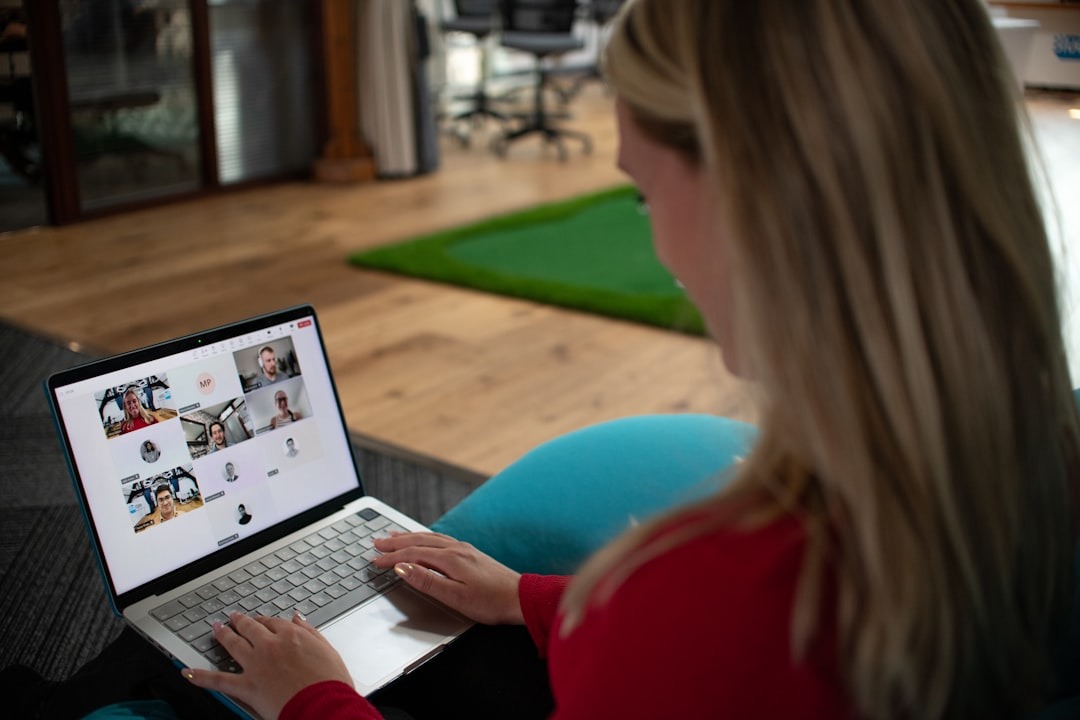
Because I cannot read the room remotely, I had to make readiness something people tell me out loud instead of something I guess. A few practices that moved the needle:
- I ask people to rate their own confidence on a task before they start it, on a scale of one to five. A two means I coach. A five means I delegate and disappear. This one question replaced a dozen wrong assumptions.
- I separated “I understand the goal” from “I know how to do it.” Someone can be fully bought into the why and have no idea about the how, and those two gaps need different responses from me.
- I made it safe to say “I am stuck” without it being a confession, because a person will hide a struggle for a week if admitting it feels like failure, and a hidden struggle is the most expensive thing on a remote team.
Once readiness is spoken instead of guessed, the right mode becomes almost obvious. The hard part was never choosing it. It was getting accurate information through a screen.
A real before and after
Here is a concrete one. We brought on a content lead in Morocco, fully remote, six time zones from the US client she would serve. My old self would have handed her the account and said, “You’ve got this,” mistaking that for empowerment. It is not empowerment to hand someone a job they are not ready to own. That is abandonment with a nice label.
Instead, I started in directing mode and was honest about it. For her first two weeks, we had a short daily call, and I reviewed her drafts line by line. She later told me the structure was what let her relax enough to learn. By week three, I shifted to coaching and asked why she made each choice instead of editing it. By month two, I was supporting, available, but no longer initiating. By month four, she was running the account and onboarding the next hire herself.
The previous version of me would have lost that person inside a month, reading her early questions as a bad hire instead of a normal stage. The latter version produced a fully autonomous account lead in roughly sixteen weeks. The person did not change. My read of what she needed from me did. That is the entire game.
The hardest mode to actually use
Delegating is the one thing almost everyone gets wrong, myself included, for years. Real delegation is not “do this and report back.” It is handing over the decision, the consequence, and the credit, and then not touching it. On a remote team, this is terrifying because you are asleep while half your company works. What made it possible was building the judgment first, through the earlier modes, so by the time I let go, I knew the person was ready. You cannot skip from directing straight to delegating. That is a gamble.
Harvard Business Review has covered for years how the best managers flex their approach to the individual rather than running one playbook for everyone, and that flexing is the whole job. It is the same principle I rely on across every market we serve, whether running a digital marketing agency on a tight launch window in the Gulf, or letting our team in Morocco handle client decisions while I am offline.
What I would tell another founder
If your team is distributed and nothing moves without you, the problem is probably not your people. It is that you are running one mode across people at four different stages. Pick one person this week, honestly assess how ready they are for the work in front of them, then choose to direct, coach, support, or delegate. The goal of every mode is the same destination: a person who no longer needs it. Good leadership in a hybrid world is about building people who do not need you present to do their best work. That is the operating principle behind Rhillane.