
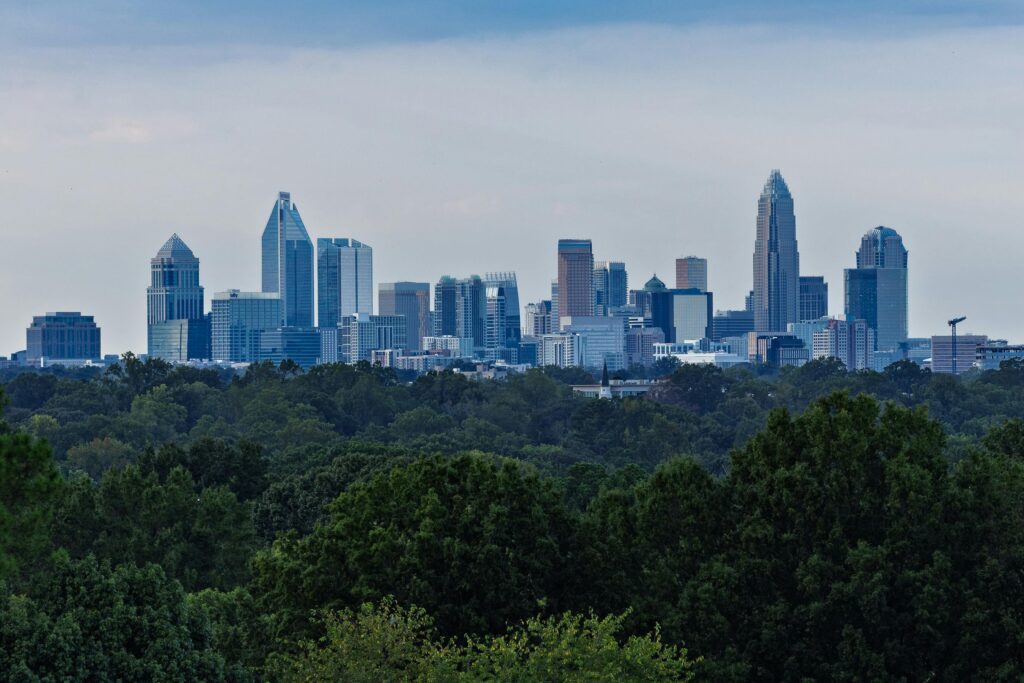
The U.S. East Coast spans a wide range of climates, from the cool, seasonal conditions of New England to the humid, subtropical environment of the Southeast. These climate patterns do more than shape daily life. They directly influence state economies by affecting infrastructure, agriculture, tourism, labor productivity, and public health. As climate variability increases, states along the East Coast are adapting in different ways, balancing economic opportunity with resilience planning and long-term investment.
Coastal Weather and Infrastructure Costs
East Coast states face frequent exposure to coastal storms, hurricanes, and flooding. States like Florida, the Carolinas, and New Jersey invest billions annually to repair roads, bridges, ports, and utilities damaged by storm surge and heavy rainfall. These costs impact state budgets and influence insurance markets, which in turn affect housing affordability and business investment.
At the same time, infrastructure spending creates economic activity. Construction, engineering, and materials industries often see growth following major weather events. While rebuilding drives short-term economic boosts, the long-term challenge lies in reinforcing infrastructure to withstand future conditions rather than repeatedly funding repairs.
Agriculture and Seasonal Climate Shifts
Climate plays a defining role in East Coast agriculture, from cranberry farming in Massachusetts to citrus production in Florida. Warmer winters and shifting rainfall patterns have extended growing seasons in some regions while disrupting traditional crop cycles in others. Farmers must adapt by changing planting schedules, investing in irrigation, or switching crops altogether.
States with diversified agricultural economies tend to absorb these changes more effectively. However, smaller farming communities often feel economic strain as climate variability increases production risk. These pressures ripple outward, affecting food prices, supply chains, and employment in rural areas that rely heavily on agriculture-related income.
Tourism and Regional Climate Appeal
Tourism is a major economic driver along the East Coast, and climate conditions strongly influence visitor behavior. Coastal states benefit from warm summers that attract beachgoers, but heat waves, rising sea levels, and stronger storms can disrupt peak travel seasons. Conversely, milder winters in northern states may extend tourism beyond traditional summer months.
Seasonal unpredictability makes planning more complex for hotels, attractions, and service workers. States that invest in climate-resilient tourism infrastructure and diversify attractions beyond weather-dependent activities tend to maintain steadier revenue streams. Climate adaptability increasingly shapes regional competitiveness in the tourism market.
Workforce Health and Urban Economic Pressures
Urban centers along the East Coast face unique climate-related challenges that affect workforce productivity. Heat, humidity, and air quality issues can increase health risks, absenteeism, and energy demand. Cities invest heavily in cooling infrastructure, public transportation upgrades, and health services to manage these impacts.
In warmer southeastern cities, pest-related challenges tied to climate conditions also influence local economies. Increased humidity creates environments where assistances such as Charlotte’s cockroach control services become more essential for residential and commercial properties. While this supports local service industries, it also reflects broader climate pressures that require ongoing management and public awareness.
Long-Term Adaptation and Economic Resilience
As climate patterns evolve, East Coast states are shifting toward long-term adaptation strategies. Investments in renewable energy, coastal restoration, and resilient urban design aim to reduce economic vulnerability. States that integrate climate modeling into economic planning are better positioned to attract businesses seeking stability and forward-looking governance.
Public-private partnerships play a growing role in funding these initiatives. Insurance companies, developers, and municipalities increasingly collaborate to manage risk and protect economic assets. Over time, resilience itself becomes an economic advantage, shaping migration patterns, real estate markets, and business location decisions.
Conclusion
Climate conditions along the U.S. East Coast are deeply intertwined with economic performance at the state level. From infrastructure and agriculture to tourism and urban productivity, weather patterns influence both costs and opportunities. As states adapt to evolving climates, the most resilient economies will be those that proactively invest in infrastructure, support workforce health, and integrate climate considerations into long-term planning. Understanding these connections is essential for building sustainable growth in an uncertain environmental future.